By Diego Rojas, physiotherapist at Kineo Seefeld
Dark, cold, slippery: running in winter
In winter, running takes willpower. It is dark when you set off and dark when you get back. The air burns in your bronchial tubes, there is hoar frost on the pavement and your fingers go stiff. Many runners cut their training right back or stop altogether, and start almost from zero again in spring.
Yet winter is a good time to build your foundations and strength. With the right clothing, an adapted running style and a bit of planning, you can run safely through the cold season.
What cold does to your body
- Airways: Cold, dry air irritates the mucous membranes. In some people, the bronchial tubes narrow under exertion. Typical signs are coughing after a run, a feeling of tightness or wheezing.
- Muscles and tendons: Cold muscles are less elastic. Many runners feel their calves and Achilles tendons stiffer at the start. A longer warm-up run therefore makes sense.
- Fluid: The feeling of thirst is weaker in the cold, but you still lose fluid through breathing and sweat.
- Hands, ears, face: They cool down quickly in wind and wet. Wind makes the perceived cold much worse.
Typical risks in winter
- Slipping on ice and leaves: Rolling an ankle and falling onto your hand or hip are typical acute winter running injuries.
- Tense running style: On slippery ground, many people run with tense shoulders and small, hesitant steps. After a few weeks, the neck or calves start to complain.
- Sudden jumps in volume: If you pause in December and then jump back in hard in January with your resolutions, you risk overuse problems such as shin splints or Achilles tendon complaints.
- Poor visibility: In the dark, cyclists and drivers can easily overlook you.

What you can do yourself
- Layering: A technical layer directly on your skin, a warming layer over it and, if it is windy or rainy, a light jacket. Cotton holds sweat and makes you cold.
- Feel slightly cold at the start: If you are a bit cool in the first few minutes, you are dressed correctly. After ten minutes you will warm up.
- Protect your head, hands and neck: A hat or headband, gloves and a neck tube that you can pull over your mouth and nose in cold air.
- Warm up indoors: Five to ten minutes of dynamic exercises such as leg swings, lunges and calf raises, then run the first few minutes deliberately slowly.
- Adapt to slippery ground: Shorter steps, a slightly higher step rate and landing with your foot closer under your body. In snow and slush, trail shoes with an aggressive tread give much more grip. On bare ice, slip-on spikes that you pull over your shoe also help.
- Be visible: Bright clothing, reflectors and a head torch on unlit paths.
- Change quickly after your run: Wet clothes cool you down fast. Drink regularly in winter too.
When it is better to stay indoors
In freezing rain, on glassy paths, or at very low temperatures with strong wind, training on the treadmill, on a bike ergometer or in the weights room is the better choice. Intense intervals in bitter cold put particular strain on the airways.
Get checked by a doctor if you regularly cough after running, or have a feeling of tightness in your chest or wheezing. Exercise-induced asthma can be behind this, and it responds well to treatment. Chest pain, shortness of breath or dizziness during a run are reasons to stop immediately and get medical help.
How we prepare you for winter running at Kineo
Whether you want to run through the winter or start the competition season fit in spring, we check where you stand and plan your winter so that you stay healthy.
1. Our check before you start
- Injury history and training goal: What happened last year, and which race is coming up
- Ankle: Single-leg stand with eyes closed and Y-Balance Test to check balance and stability
- Calf strength: Single-leg calf raises to fatigue, compared side to side
- Hip and trunk: Single-leg squat and side plank to assess control of the leg axis
- Running style and shoe: Your running pattern on the treadmill, plus the tread and condition of your shoe
2. How we build your winter
- Foundation: The main part of your runs is easy and calm. This is gentle on the airways in the cold and builds endurance.
- Strength twice a week: Squat, single-leg deadlift, calf raises and lunges, 3 x 6–12 repetitions with increasing load.
- Stability: Single-leg stand on an unstable surface and jumping exercises in small doses, for example 5 minutes 2–3 times a week, to prepare for slippery ground.
- Intensity indoors: Move hard intervals in very cold weather to the treadmill.
- Build volume slowly: After a break, return step by step instead of making up for everything at once in January.
3. Kineo services we use
- Runners Physio for complaints that show up in winter and a safe training build-up
- Currex 5D running analysis to check your running style and choice of shoe, including for snow and wet conditions
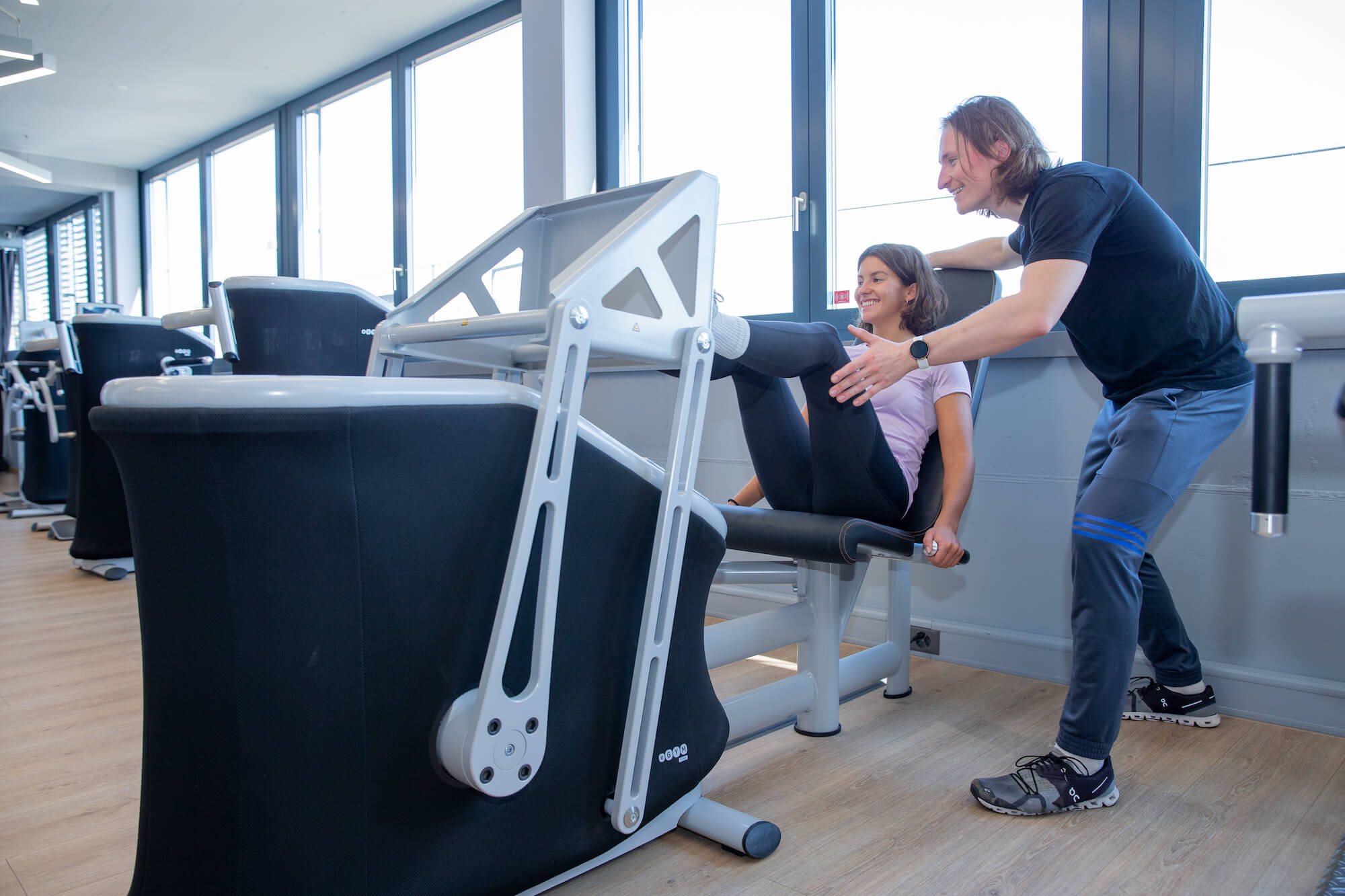
- Medical training therapy for a targeted strength programme in the winter season
- Lactate step test to set your training zones for the base phase
From our practice
In January we see many runners with Achilles tendon or shin complaints. Often they hardly trained in December and then, with good resolutions, immediately went back to their old volume. If you run regularly but calmly in winter and add strength training, you usually start spring far more relaxed.
Runners Lab and Performance Lab in Seefeld
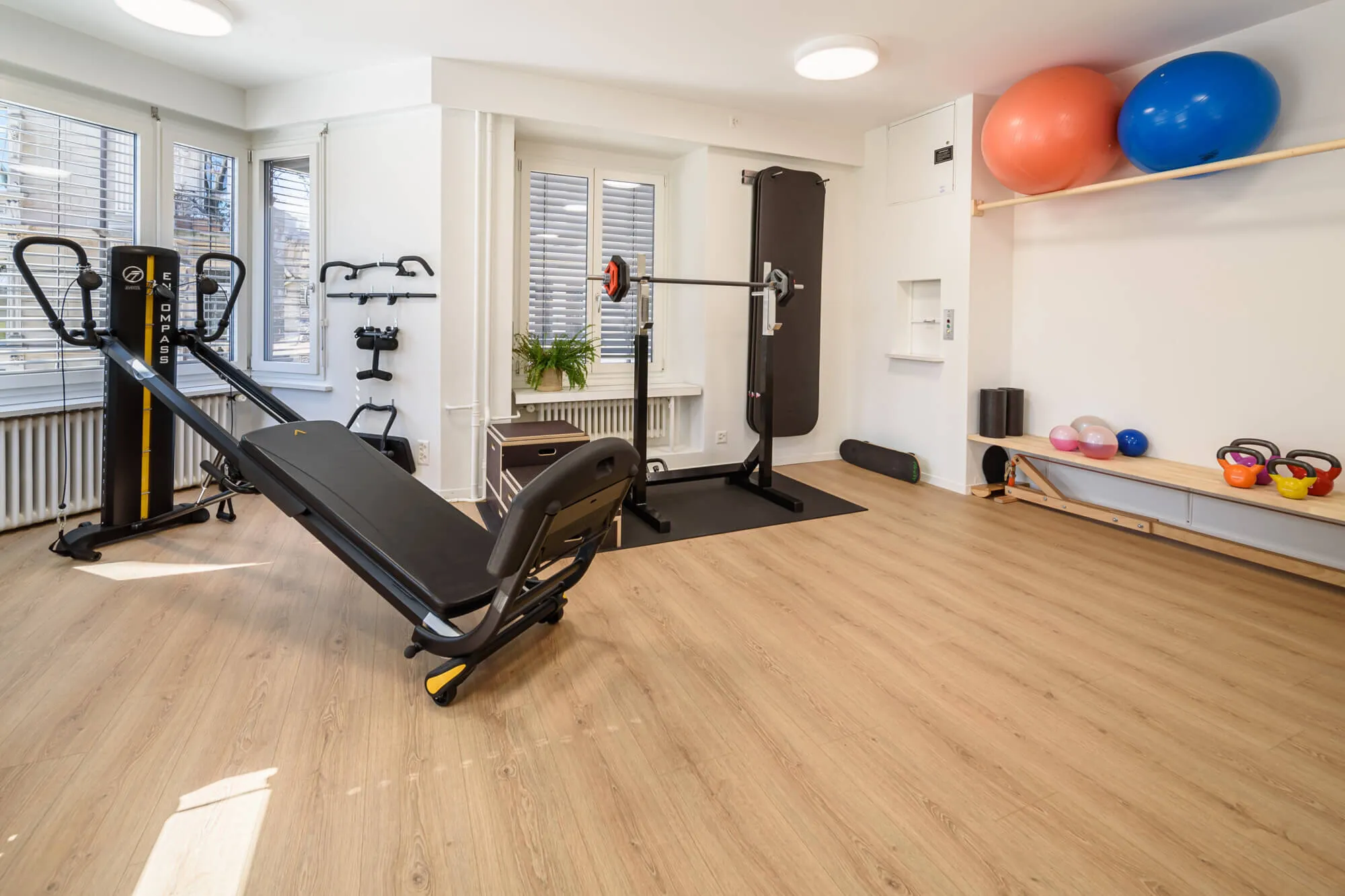
At Kineo Seefeld at Seefeldstrasse 83, stop Feldeggstrasse with trams 2 and 4, you will find everything for winter running. On the ground floor is the Kineo Runners Lab with running shoes and Currex 5D running analysis, on the 1st floor the physiotherapy with Runners Physio, and in the building the Kineo Performance Lab for lactate step tests and spiroergometry.
Frequently asked questions
Is running in sub-zero temperatures bad for the lungs?
For healthy runners, easy running in the cold is generally not a problem. A scarf over your mouth and nose warms the air a little beforehand. If you have a cough, tightness or wheezing after running, get checked by a doctor.
Do I need special winter shoes?
For dry, cold paths, your normal running shoe is enough. In snow and slush, trail shoes with an aggressive tread help. At the Runners Lab you will find trail shoes from various brands and can test them straight away on the treadmill.
Should I run less in winter?
Not necessarily less, but more calmly. Winter is well suited to easy base runs and strength training. In ice and severe cold, you can do hard sessions indoors.
Does health insurance cover physiotherapy?
Yes. With a doctor's prescription, your basic health insurance covers the cost. Kineo is recognised by all Swiss health insurers.
You might also like
- How to find the right running shoe
- Ankle injury or instability
- Trail running: getting started and running downhill
Book an appointment
Do you want to get through winter running healthy? Book your appointment at Kineo Seefeld.