By Joëlle Ramseier, physiotherapist at Kineo Seefeld
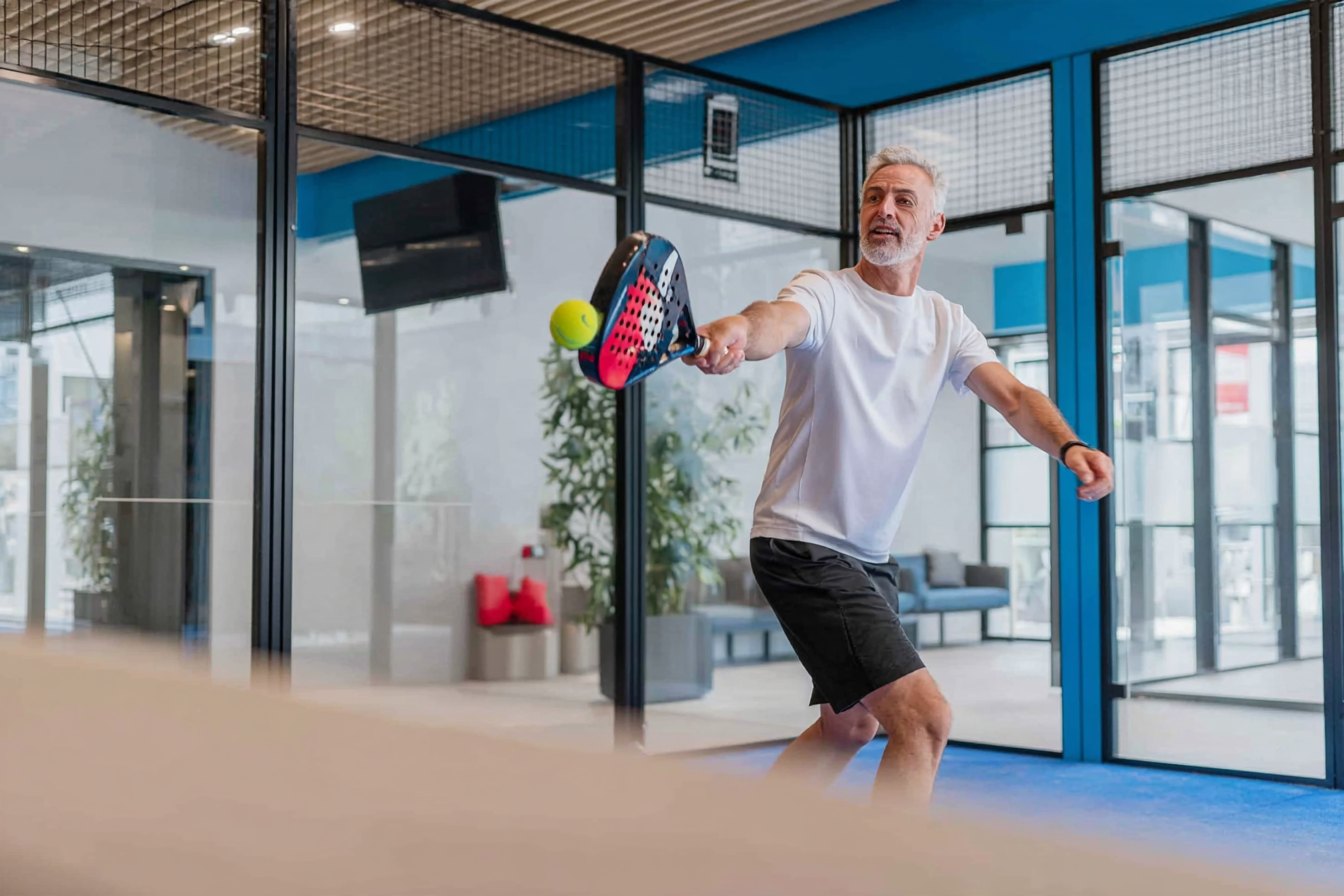
Running after 50: it is not too late
Perhaps you have been running for decades and notice that recovery takes longer and your calves niggle more often. Perhaps you want to start afresh at 50 or 60 and wonder whether your knees will cope. We hear both often in the practice.
The good news: running is also an excellent form of training in the second half of life for your heart, circulation, bones and mind. But your body changes, and your training should change with it.
What changes with age
- Muscles: Without targeted training, muscle mass declines, especially fast-twitch strength. This affects the calves and thighs, which have to absorb a lot of impact when you run.
- Tendons: They become less elastic and take longer to adapt to new loads. The Achilles tendon and calf are often affected in older runners.
- Recovery: After hard or long sessions, you usually need more time until you can take full load again.
- Endurance: Maximal oxygen uptake falls over the years. Regular training slows this decline considerably.
- Bones: Bone density decreases, in women especially after the menopause. Impact loading such as running and strength training is an important stimulus for your bones.
Myth: running wrecks your knees
This worry is widespread. According to current knowledge, recreational running in moderate amounts does not increase the risk of knee osteoarthritis. Joint cartilage needs movement and loading to stay healthy.
Even with mild to moderate osteoarthritis, running is often possible if volume and surface are adapted and your knee does not swell after running. What matters is how the joint reacts, not the X-ray alone.
What you can do yourself
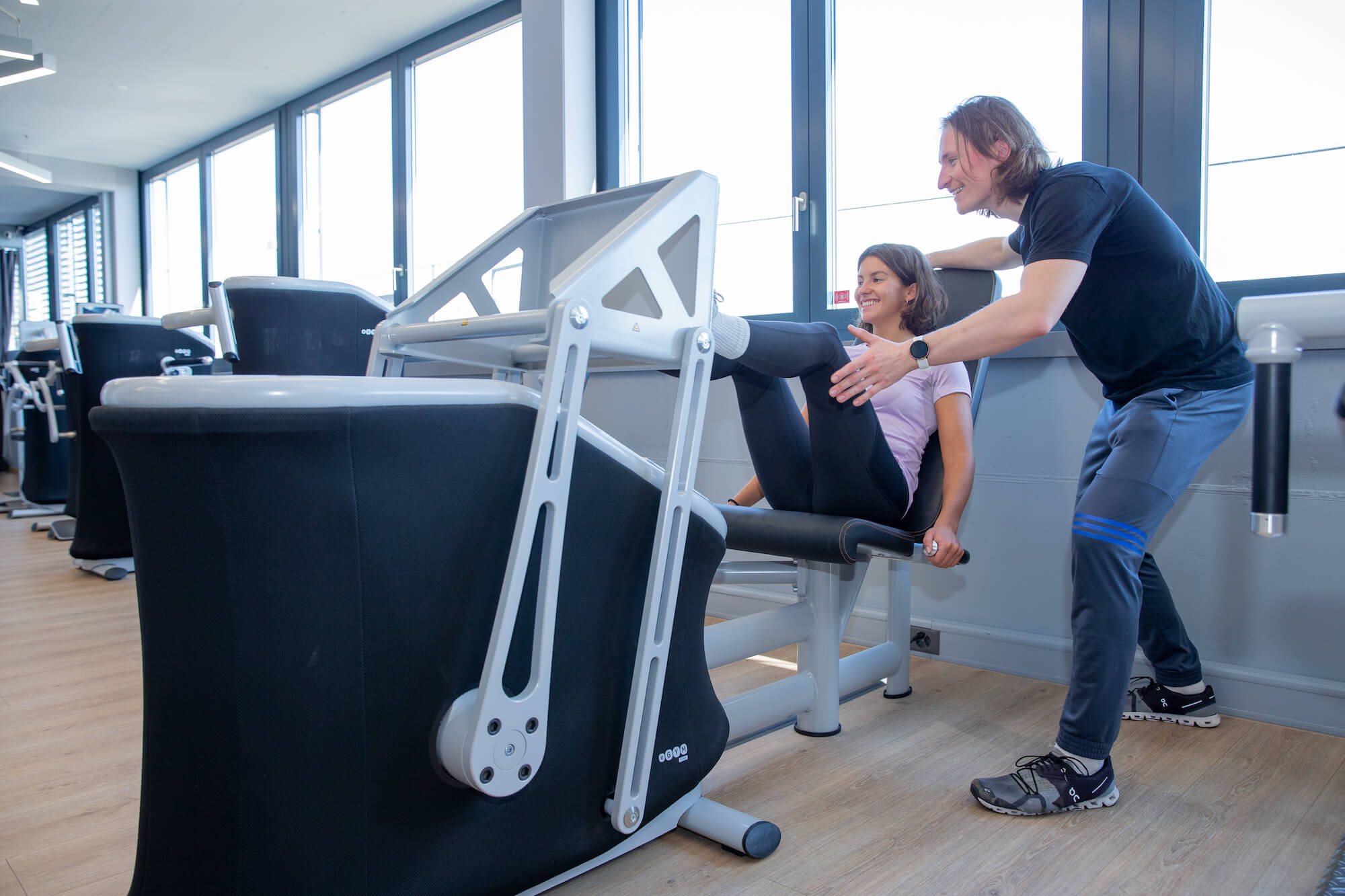
- Strength training twice a week: Squats, lunges, calf raises, bridge and rows. It is the most effective protection against overuse problems.
- Spread out hard sessions: Between two intense runs there should be at least one to two easy days or rest days.
- Increase slowly: Raise volume or intensity, but not both at the same time, and give yourself an easier week every few weeks.
- Run-walk intervals to get started: For example, run for 1 minute, walk for 2 minutes, 8 to 10 repetitions. Over the weeks, you lengthen the running sections.
- Variety: Cycling, swimming or hiking complement running and spare your tendons.
- Take recovery seriously: Enough sleep and enough protein in your diet support the adaptation of muscles and tendons.
Check first: health and warning signs
If you are starting after a long break, have risk factors such as high blood pressure, diabetes or smoking, or have early heart disease in your family, a check with your GP before you start is worthwhile.
Stop training and get medical help if you have chest pain or pressure in your chest, unusual shortness of breath, palpitations or dizziness. You should also have a joint that repeatedly swells checked by a doctor, as well as pain that gets worse at night or at rest.
How we support you at Kineo
Whether you are new to running or have run for years, we check where you stand and build your training so that you can keep running for a long time and enjoy it.
1. Our check before you start
- History: Earlier injuries, osteoarthritis, operations and your training goal
- Leg strength: 30-second chair stand test and single-leg calf raises to fatigue, compared side to side
- Balance: Single-leg stand with eyes open and closed
- Joints: Mobility of the hip, knee and upper ankle joint
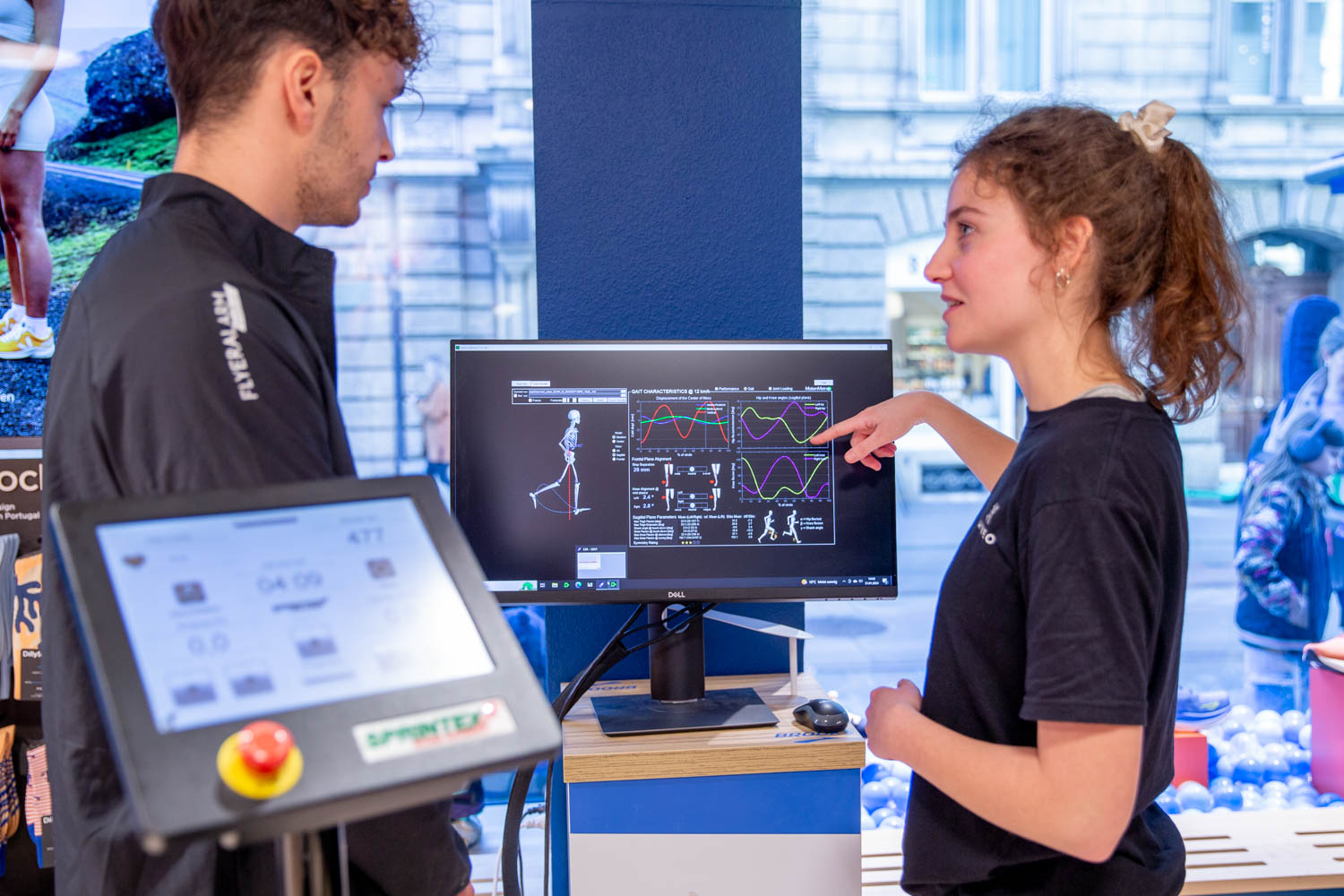
- Running pattern: Stride length, cadence and foot strike on the treadmill
2. How we build your training
- Weeks 1–4: base. Three sessions a week, run-walk intervals or easy runs, plus strength twice, 2–3 x 10–12 repetitions each.
- Weeks 5–12: build-up. Lengthen the running sections, strength with a higher load and 3 x 6–10 repetitions, first jumping exercises such as skipping in a small dose.
- From month 3: more targeted training. One shorter brisk session a week, the other runs easy, keep up strength training permanently.
- If you have complaints: Adapt the volume instead of stopping completely, and strengthen the affected structure in a targeted way.
3. Kineo services we use
- Runners Physio for complaints and a safe training build-up
- Medical training therapy for targeted strength training of the legs and trunk
- Manual therapy for stiff joints, for example at the hip or ankle
- Currex 5D running analysis for a running style and shoe that suit your body
- Lactate step test if you want to know your training zones precisely
From our practice
Older runners often come to us with calf or Achilles tendon complaints after carrying on training in the same way as twenty years ago. Usually no break from running is needed, but rather more calf strength and more recovery between the hard sessions. Many then run with fewer complaints than before.
Running in Seefeld: physio, shoes and performance diagnostics
At Kineo Seefeld at Seefeldstrasse 83, stop Feldeggstrasse with trams 2 and 4, running is a focus. On the 1st floor you will find the physiotherapy with Runners Physio, on the ground floor the Kineo Runners Lab with running shoes and Currex 5D running analysis, and in the building the Kineo Performance Lab with lactate step test and spiroergometry.
Frequently asked questions
Can I still start running at 60?
Yes. What matters is a slow start with run-walk intervals and accompanying strength training. If you have risk factors or have been inactive for a long time, have a medical check first.
Is running allowed with knee osteoarthritis?
Often yes, if your knee does not swell after running and the pain the next day is not worse. We adapt volume, surface and strength individually.
How often should I run after 50?
For many people, three runs a week with rest days in between is a good framework, complemented by two strength sessions.
Does health insurance cover physiotherapy?
Yes. With a doctor's prescription, your basic health insurance covers the cost. Kineo is recognised by all Swiss health insurers.
You might also like
- Osteoarthritis of the knee joint (gonarthrosis)
- Achilles tendon pain
- VO₂max and spiroergometry: what you need to know
Book an appointment
Do you want to run healthily and with joy after 50? Book your appointment at Kineo Seefeld.