
Guillain-Barré syndrome: symptoms, causes and rehabilitation
Guillain-Barré syndrome (GBS) is a rare but serious neurological disease in which the immune system attacks the body's own peripheral nerves.
This causes inflammation of the nerves, which damages the protective myelin sheath of the nerve fibres. As a result, nerve signals are conducted less well, which can lead to muscle weakness, sensory disturbances or paralysis.
GBS can affect people of any age, but it occurs more often in adults. Worldwide, about 1–2 in 100,000 people per year develop this autoimmune disease.
For many people affected, what is especially distressing is how suddenly the illness can appear. Within a few days, symptoms can become much stronger.
This situation can trigger fear and uncertainty. But it is important to know:
With early medical treatment and targeted rehabilitation, many people affected have a good chance of a significant or complete recovery.
Causes of Guillain-Barré syndrome
The exact cause of Guillain-Barré syndrome is not yet fully understood. In most cases, the disease occurs after an infection.
Experts assume that, while fighting pathogens, the immune system accidentally attacks the body's own nerve structures. This phenomenon is called molecular mimicry.
Common triggers can be:
- Respiratory infections
- Gastrointestinal infections, especially with Campylobacter jejuni
- Viral infections, e.g. Epstein-Barr virus or influenza
- rarely surgery or other physical stress
Important:
Guillain-Barré syndrome is not contagious. You cannot catch it from someone who has it.
Symptoms of Guillain-Barré syndrome
The symptoms of GBS usually develop rapidly within days and often start in the legs.
Typically they spread from the bottom up through the body.
Early symptoms
The first signs often include:
- Tingling or numbness in the feet or hands
- Muscle weakness, especially in the legs
- unusual tiredness or exhaustion
Many people affected first report a feeling as if their legs were becoming “heavy” or unstable.

Progressive symptoms
As the illness progresses, the following can occur:
- increasing muscle weakness or paralysis
- loss of reflexes
- coordination and balance problems
- neuropathic pain, often in the back or legs
The intensity of symptoms can vary greatly. Some people experience only mild symptoms, while others are temporarily more severely limited.
Possible complications
In some cases, the breathing muscles can also be affected, which makes intensive medical care necessary.
Other possible complications:
- blood pressure or heart rhythm disturbances
- problems with the bladder or digestion
- increased risk of thrombosis due to limited movement
Early medical treatment is therefore crucial.
Diagnosis of Guillain-Barré syndrome
The diagnosis of GBS is made through a combination of different examinations.
These include:
Neurological examination
- Checking muscle strength
- Reflexes
- Sensation and coordination
Lumbar puncture
Here, the cerebrospinal fluid is examined. A typical finding is a raised protein concentration with a normal cell count.
Electrophysiological examinations
Measurements of nerve conduction velocity can show whether the signal transmission of the nerves is slowed.
Imaging
MRI scans can help to rule out other neurological diseases.
An early diagnosis allows faster treatment and improves the prognosis.
Treatment of Guillain-Barré syndrome
The treatment of GBS takes place in two phases:
- Acute treatment in hospital
- Rehabilitation and physiotherapy
Acute treatment in hospital
In the early phase, treatment is usually inpatient, sometimes in an intensive care unit.
Important therapies are:
Intravenous immunoglobulins (IVIG)
Antibodies from donor plasma can regulate the immune system and shorten the course of the disease.
Plasmapheresis
Here, harmful antibodies are removed from the blood.
In addition, supportive measures are given, such as:
- breathing support if needed
- pain therapy
- thrombosis prevention
- circulation monitoring
Rehabilitation and physiotherapy after Guillain-Barré
After the acute phase, the rehabilitation phase begins, in which physiotherapy plays a central role.
The aim is to rebuild lost functions and to make the body resilient again step by step.
At KINEO Physiotherapie, we work in an evidence-based way, adapted to the individual.
Our therapy can include:
Exercise therapy and muscle training
- gentle mobilisation in the early phase
- progressive strengthening of the muscles
- functional training for everyday life and movement
Balance and coordination training
Many people affected have difficulties after GBS with:
- stability
- balance
- gait control
Targeted exercises help you regain confidence in movement.
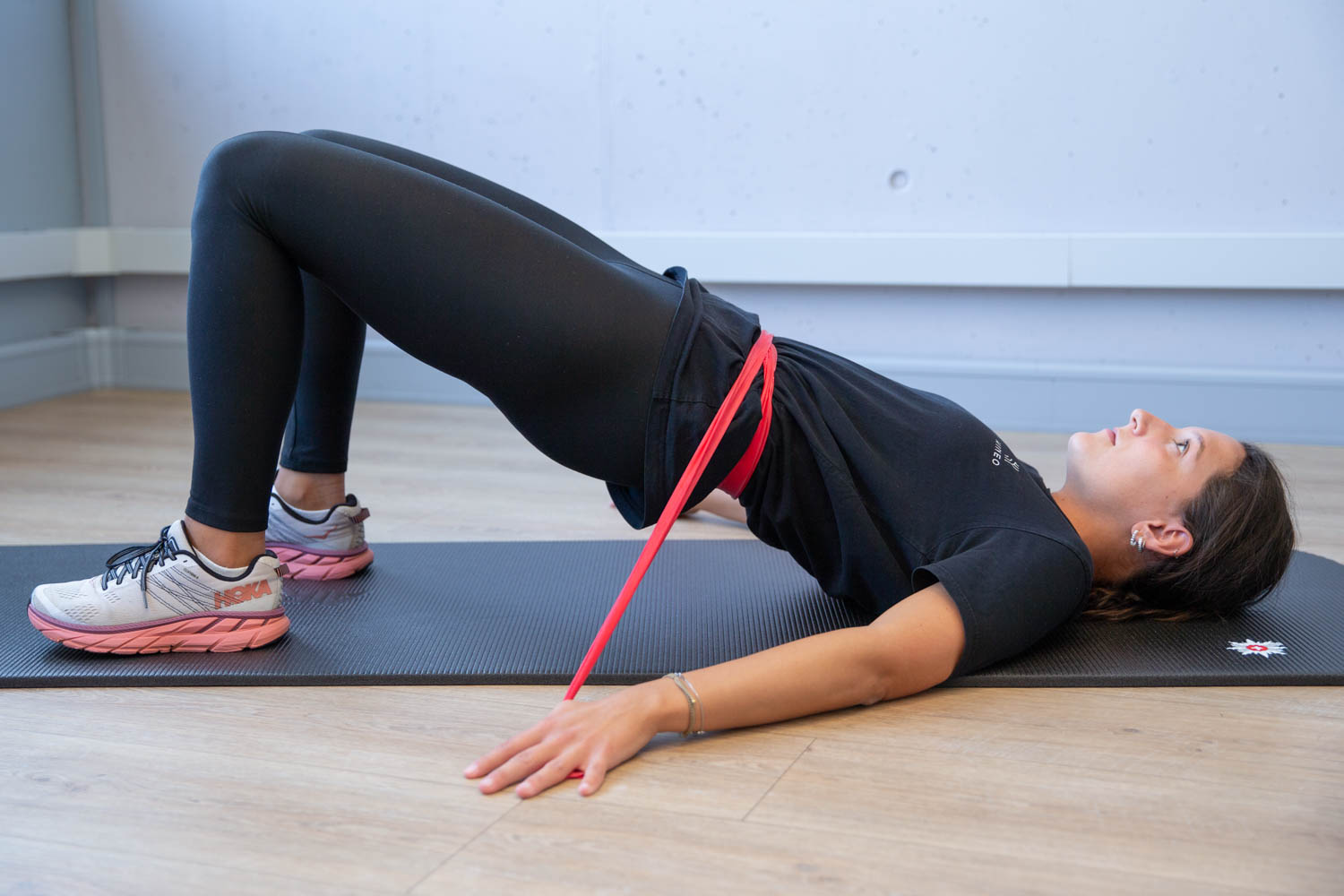
Neural mobilisation
Gentle techniques can help to support the mobility of the nerves and reduce symptoms.
Breathing therapy
If the breathing muscles were affected, exercises can help to:
- improve breathing capacity
- strengthen the breathing muscles
Pain management
Chronic pain can occur after GBS.
Therapy approaches can include:
- exercise therapy
- manual techniques
- relaxation strategies
- education about pain mechanisms
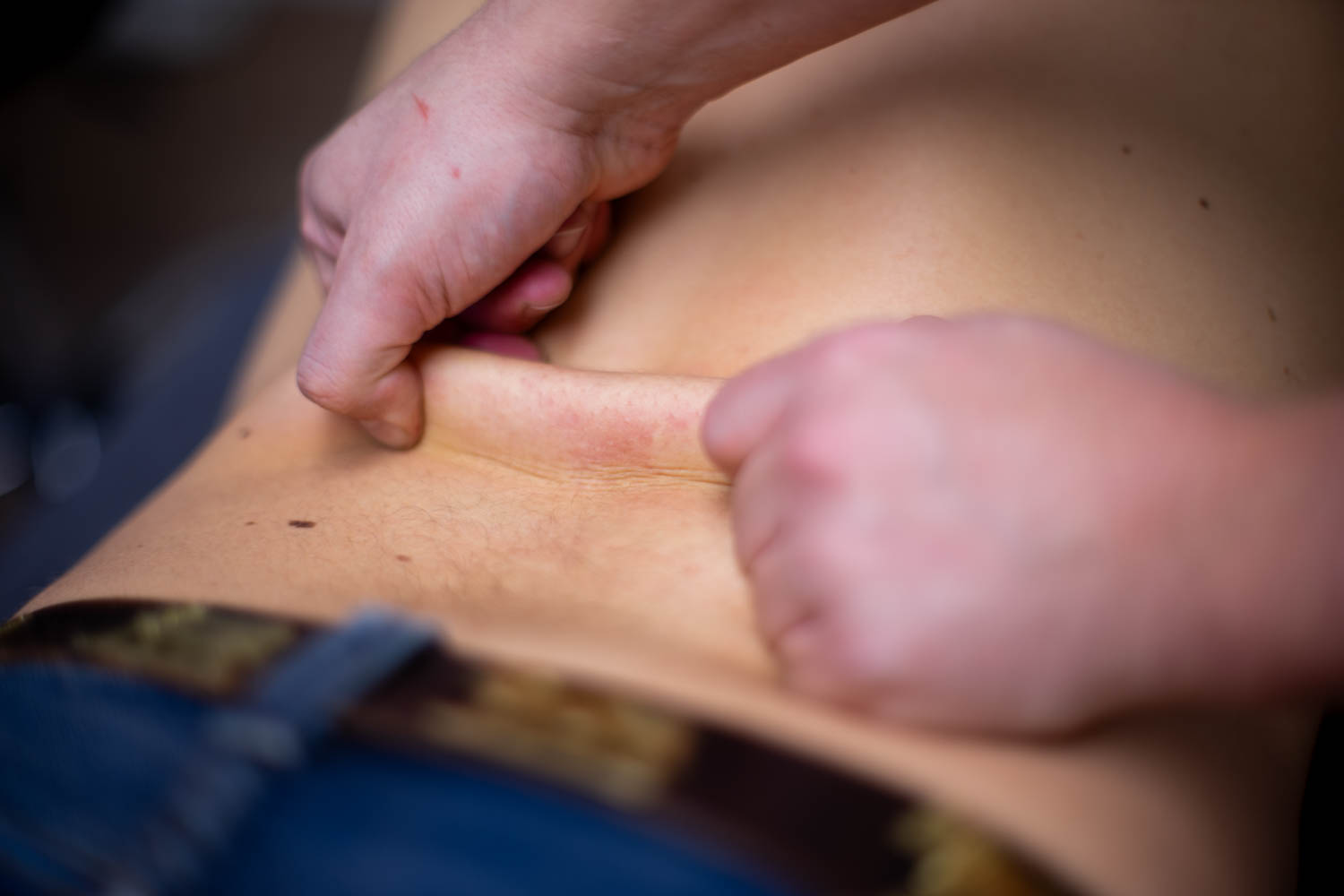
Physiotherapy for Guillain-Barré in Zürich, Thalwil and Zollikon
At KINEO Physiotherapie, we support patients after neurological diseases such as Guillain-Barré syndrome.
Our focus is on:
- rebuilding strength and function
- improving balance and gait
- reducing pain and fatigue
- promoting independence in everyday life
We work in a structured, evidence-based way, adapted to the individual, always with the aim of supporting you step by step back to an active life.
Life after Guillain-Barré syndrome
The course of recovery after GBS is very different from person to person.
The good news:
About 80–90% of those affected recover largely or completely.
Even so, some long-term symptoms can remain, for example:
- Fatigue (severe exhaustion)
- mild muscle weakness
- sensory disturbances
- neuropathic pain
With adapted rehabilitation, regular exercise and therapeutic support, many people can significantly improve their quality of life.
Support and long-term care
The road after GBS can take time.
The following can be helpful:
- physiotherapy
- occupational therapy
- psychological support
- exchange with self-help groups
You don't have to walk this road alone.
With patience, structure and individual therapy, great progress can often be made. Book your appointment now!