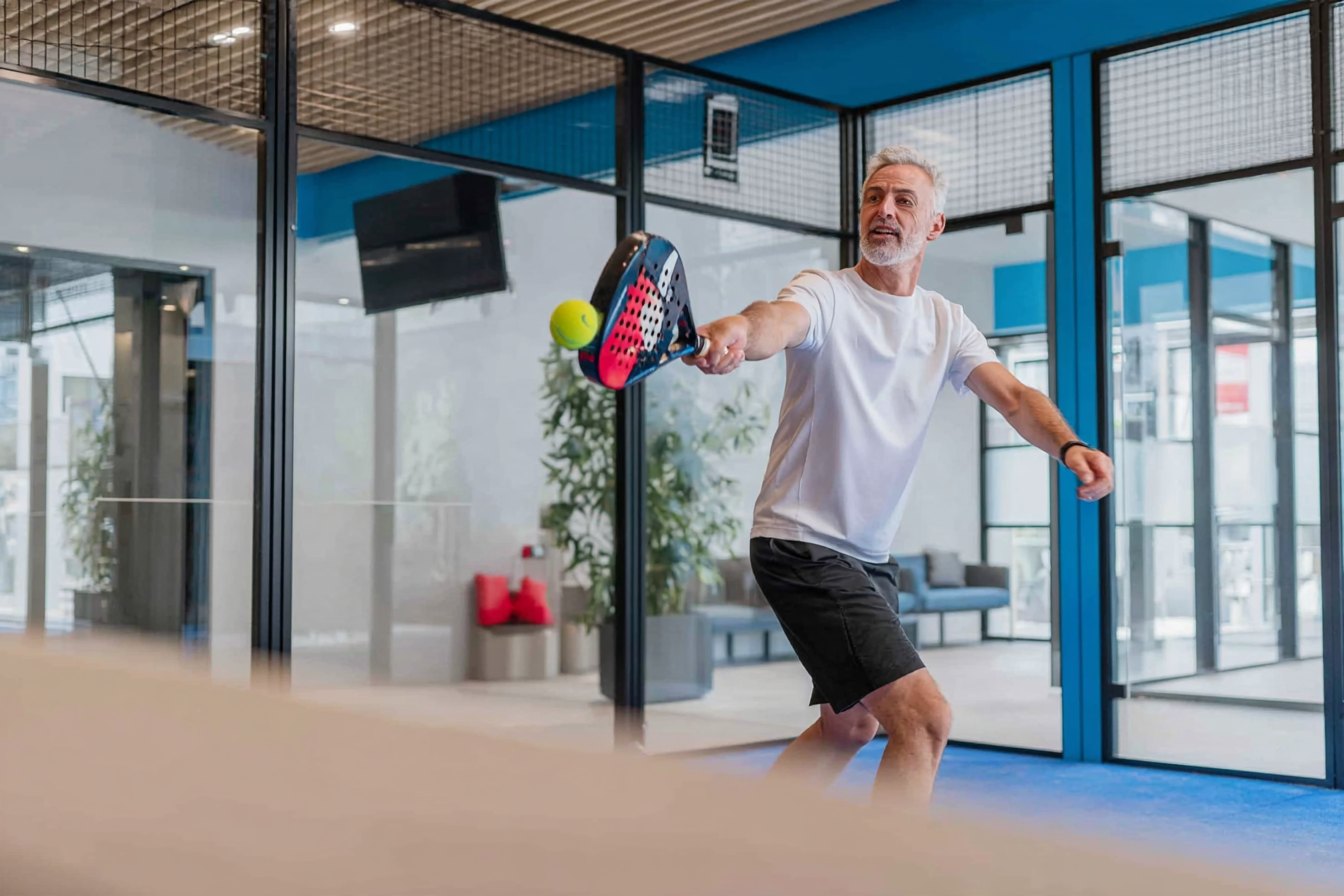

Golfer's elbow (medial epicondylitis): understanding and effectively treating pain on the inside of the elbow
Golfer's elbow basics: what is golfer's elbow?
Golfer's elbow, medically medial epicondylitis, is a painful overuse reaction of the tendons on the inside of the elbow. It affects the common tendon attachment of the forearm flexors at the inner bony prominence, the medial epicondyle.
Despite the name, very few people affected are golfers. Golfer's elbow much more often develops from repeated loads in everyday life or at work: long hours at the computer, manual work, carrying, gripping, screwing, lifting or sports that place high demands on the forearm muscles.
Unlike the better-known tennis elbow (outside of the elbow), the pain here is on the inside of the elbow. It usually comes on gradually: many small micro-overloads lead over weeks or months to an irritated tendon that tolerates little load.
Important to know: it is not primarily an inflammation, but an overuse reaction of the tendon tissue with reduced load capacity.
Causes and risk factors
Golfer's elbow almost never appears «suddenly». It is the result of overloading the tendon over a longer period.
Typical triggers are:
- Repeated wrist flexion against resistance
- Frequent forceful gripping
- Rotating movements of the forearm (e.g. screwing, using tools)
- Intensive mouse and keyboard use
- Sports such as golf, climbing, rowing, strength training, baseball
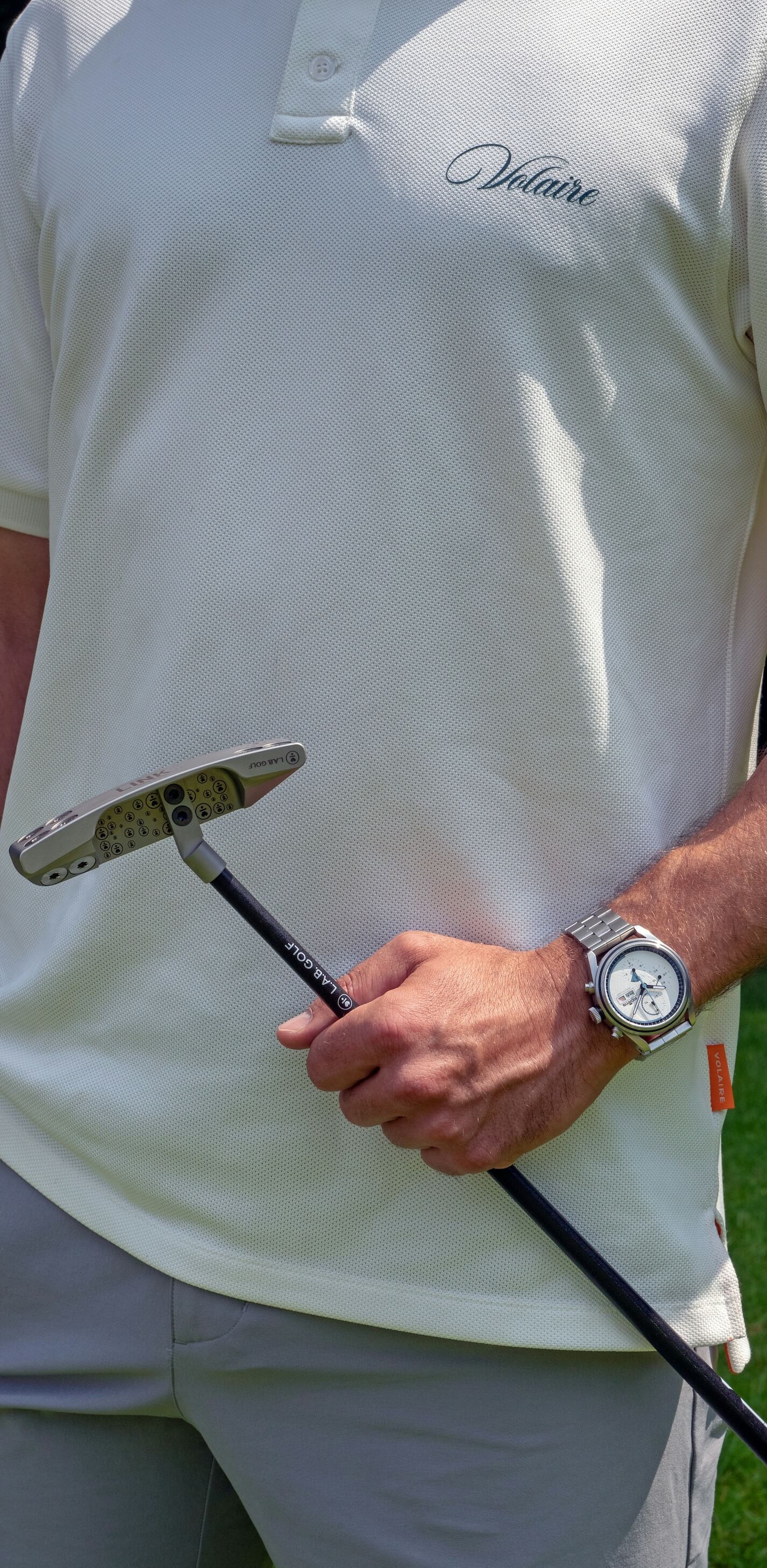
In golf, the critical moment is when the club hits the ground: the impact goes straight into the forearm flexors.
Other risk factors:
- Lack of breaks during repetitive tasks
- Poor ergonomics at the workplace
- Weakness or lack of coordination in the shoulder and trunk
- Restricted mobility in the wrist, elbow or shoulder
- Reduced adaptability of tendon tissue with increasing age
- Irritation of the ulnar nerve or problems in the cervical spine, which can make similar symptoms worse
The elbow is often not the actual cause, but the «victim» of an unfavourable chain of loads.
Symptoms and typical course
The symptoms usually develop slowly.
Typical are:
- Tenderness on the inside of the elbow
- Pain spreading into the forearm as far as the palm
- Pain when gripping, lifting, screwing or carrying
- Morning stiffness
- Loss of grip strength (e.g. opening a bottle, holding a cup)
- More pain when bending the wrist against resistance
Many people tell us:
«It's actually completely normal everyday movements that suddenly don't work any more.»
Without targeted measures, golfer's elbow can persist for months or years.

What can you do yourself?
First steps when symptoms start
Reacting early prevents the problem from becoming chronic.
- Reduce loads, but do not immobilise the arm
- Keep moving within the pain-free range
- In the acute phase, cool for 10–15 minutes (with a cloth in between)
- Later, warmth can feel pleasant
- A forearm strap (approx. 5 cm below the elbow) can relieve the tendon under load
Effective stretching and strengthening exercises
Forearm flexor stretch
Straighten your arm, palm facing up. With your other hand, pull your fingers towards the floor until you feel a stretch.
Hold for 30 seconds, 3 times a day.
Eccentric training (very important for the tendon)
With a light dumbbell or a water bottle:
- Lift the wrist up with your healthy hand
- Lower slowly with the affected hand (3–4 seconds)
3 sets of 15 repetitions, daily.
Grip exercises with a ball or therapy putty
Hold the squeeze for 3–5 seconds, 10–15 repetitions.
Important: mild pain is allowed, severe pain is not.
Adapting your activities
- Use thicker handles on tools
- Set up your mouse and keyboard ergonomically
- Build in frequent short breaks
- Check your technique in sport (especially golf, climbing, strength training)
- Avoid gripping tensely all the time
Self-massage
- Stroke along the forearm with your thumb from the wrist towards the elbow
- Use a fascia ball for the forearm, but also for the shoulder and upper arm
- Stay on sensitive spots for 20–30 seconds
When should you seek professional help?
- Symptoms lasting longer than 2–3 weeks
- Increasing pain despite rest
- Numbness or tingling in your fingers
- Marked loss of strength
- Pain at night
What does KINEO Physiotherapy do for golfer's elbow?
Precise analysis of the cause instead of only treating the elbow
We don't just examine the painful spot, but the whole movement chain:
hand, elbow, shoulder, cervical spine.
We analyse:
- Movement patterns in everyday life and sport
- How your forearm muscles handle load
- Nerve mobility (especially the ulnar nerve)
- Joint mechanics of the wrist and proximal radioulnar joint
This way we find the real triggers, not just the symptoms.
Manual therapy and targeted techniques
- Mobilisation of the elbow, wrist and radioulnar joint
- Trigger point treatment of the forearm flexors
- Neural mobilisation when nerves are involved
Evidence-based physical measures (if needed)
- Shockwave therapy for chronic cases
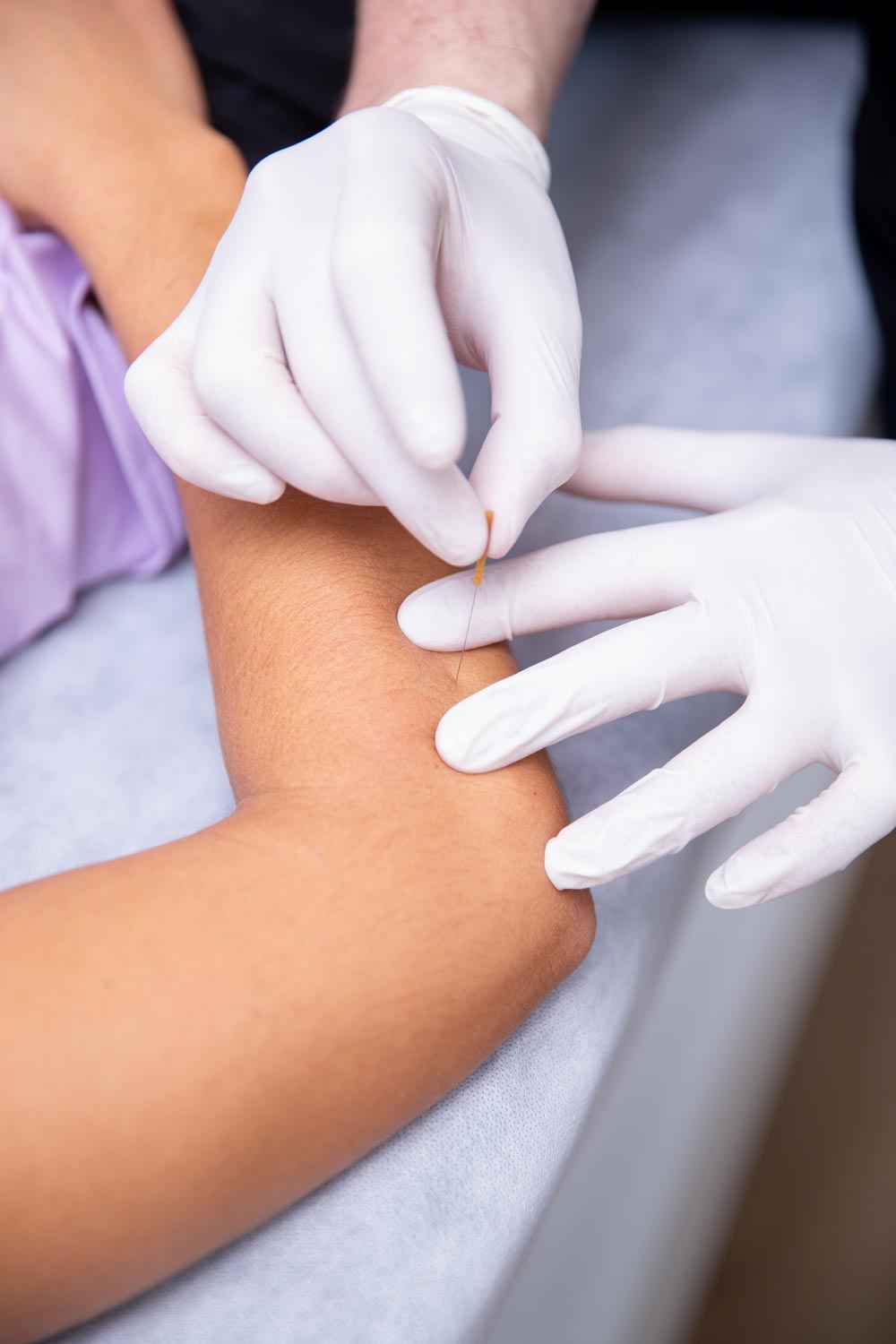
- Dry needling for stubborn muscle tension
- Kinesio taping for relief
- Cryotherapy depending on the level of irritation
Individual rehabilitation programme
The core of the therapy is progressive training:
- Isometric exercises (pain-relieving)
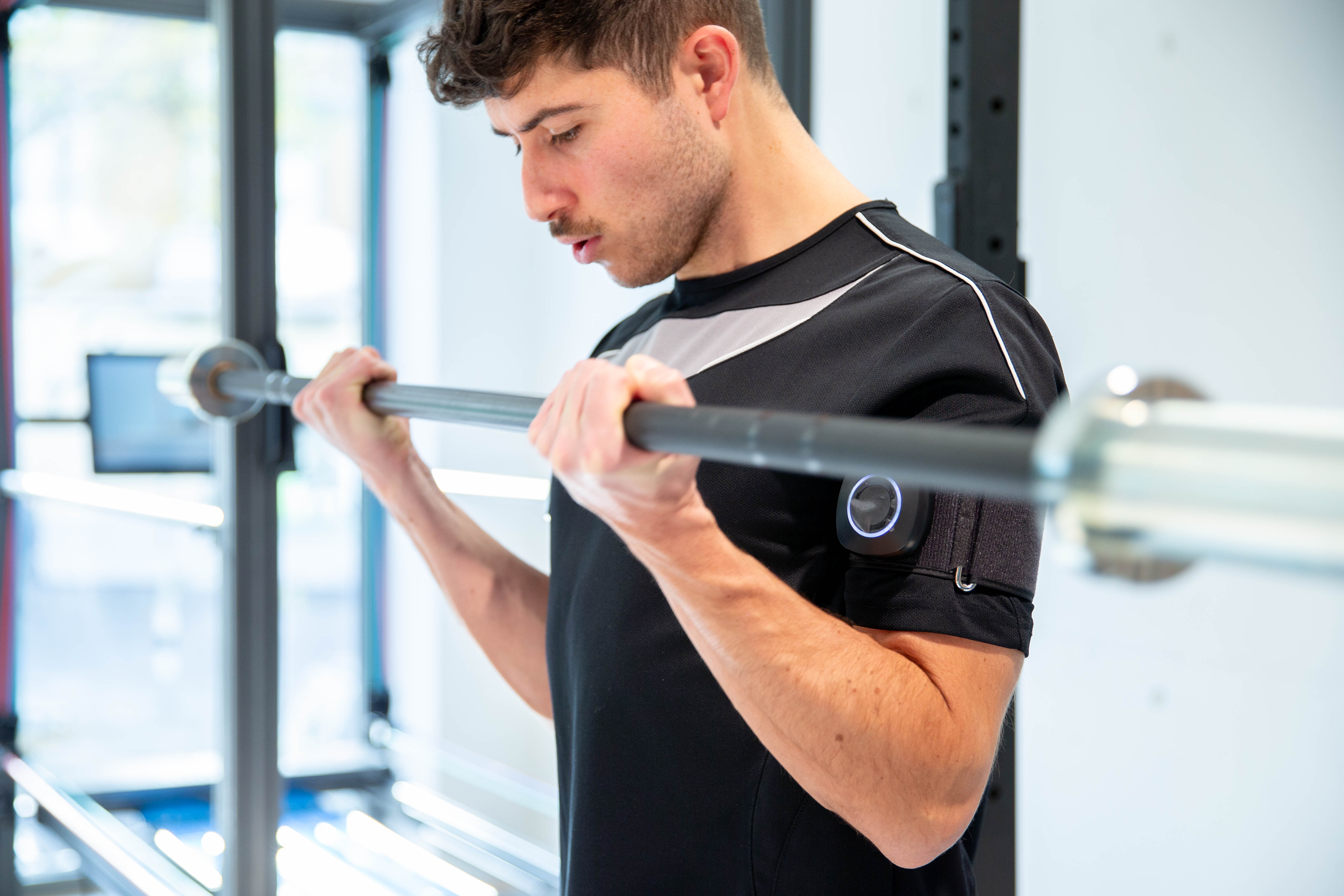
- Eccentric training (tendon healing)
- Stabilisation of the wrist and elbow
- Integration into sport- or work-specific movements
Goal: the tendon becomes able to take load again, not just pain-free.

Ergonomic advice and prevention
- Workplace analysis (mouse, keyboard, posture)
- Adapting tools and sports technique
- Preventive exercise programme for home
- Follow-ups for lasting freedom from symptoms
FAQ on golfer's elbow
How long does golfer's elbow last?
Untreated, often several months. With targeted therapy, usually clear improvement within 6–12 weeks.
Is it an inflammation?
Usually not. It is mainly an overuse reaction of the tendon.
Can I keep doing sport?
Yes, but adapted. Pain-free or low-pain loading is actually important.
Does a strap help?
Yes, under load. But it does not replace training.
Why does the pain keep coming back?
Because often only the pain is treated, not the cause in technique, load or movement patterns.
Can the nerve be involved?
Yes. The ulnar nerve can cause or worsen similar symptoms.
Book your appointment at KINEO Physiotherapy now
Pain on the inside of your elbow does not have to be permanent.
With the right combination of analysis, manual therapy and targeted training, we help you get back to a resilient, pain-free tendon in everyday life, at work and in sport.
Book your appointment online now and actively start your recovery.