

Autonomic nervous system disorders: how physiotherapy can support you
What are autonomic nervous system disorders?
Your autonomic nervous system (ANS) works continuously in the background and controls many vital body functions, for example heartbeat, breathing, blood pressure, digestion and temperature regulation.
These processes run automatically. You don't have to think about them consciously. That is why the autonomic nervous system is also called the body's "autopilot".
The system has two central parts:
Sympathetic nervous system
It activates the body in situations of stress or exertion. Heart rate and blood pressure rise, energy is made available, and your body becomes ready to perform.
Parasympathetic nervous system
It is responsible for rest, regeneration and recovery. Heartbeat and breathing slow down, and digestion and repair processes are activated.
Normally, these two systems work in balance.
In autonomic nervous system disorders (dysautonomia), this regulation is disturbed. The body then reacts to everyday demands too strongly, too weakly or with a delay.
This can be very distressing for those affected, above all because the symptoms are often hard to pin down and changeable.
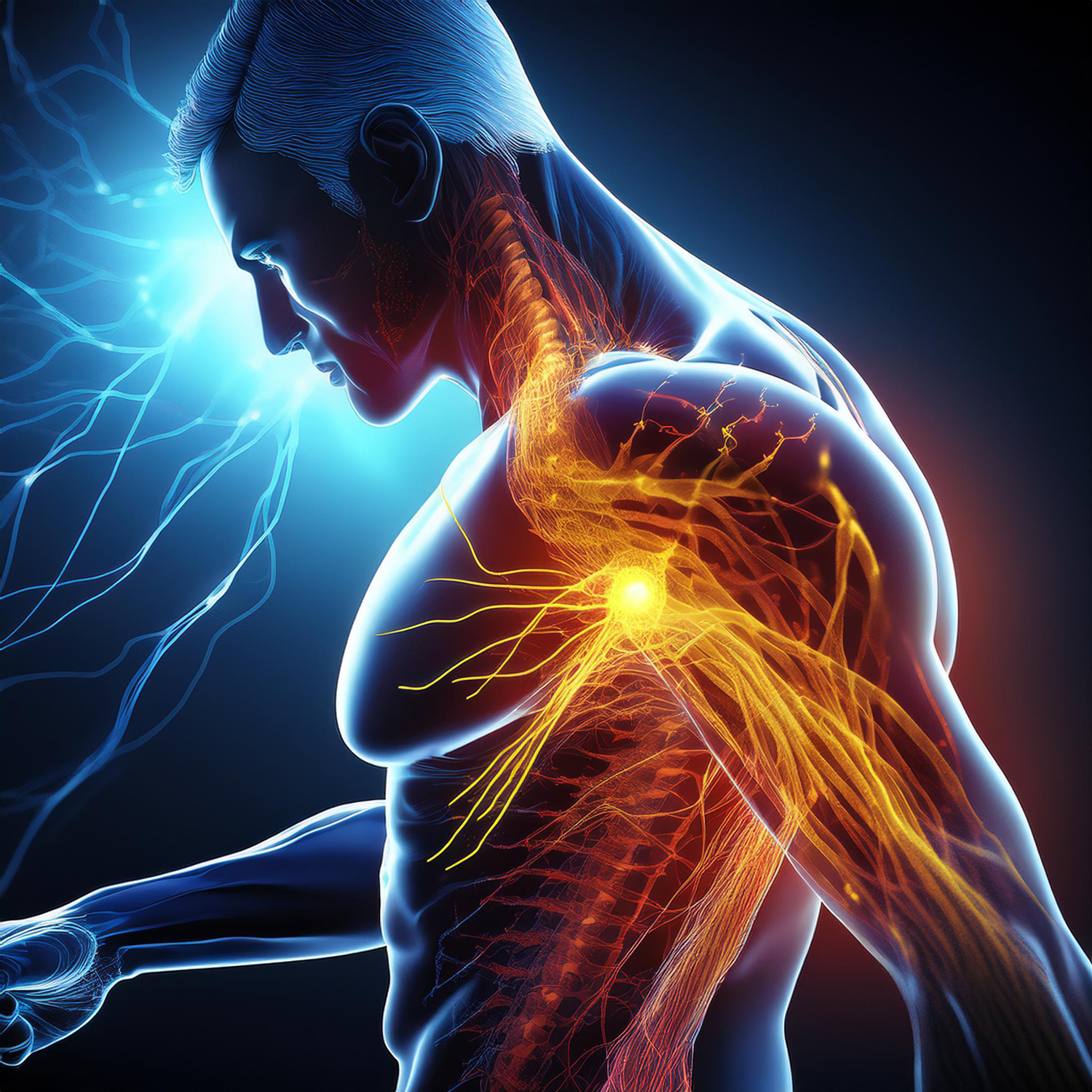
Which symptoms can occur?
Autonomic nervous system disorders can affect many different body systems. The symptoms therefore differ greatly from person to person.
Circulation problems
Many people affected report complaints in the cardiovascular system.
Typical symptoms are:
- dizziness when standing up
- sudden drop in blood pressure (orthostatic hypotension)
- racing heart or irregular heartbeat
- cold hands and feet due to reduced circulation
These complaints often arise because the vascular system doesn't adapt quickly enough to changes in position.
Breathing and digestive problems
Breathing and digestion are also controlled by the autonomic nervous system.
Possible complaints are:
- shallow or rapid breathing
- feeling of breathlessness
- bloating or nausea
- constipation or diarrhoea
- feeling full early
Muscle and exhaustion symptoms
Many people affected also suffer from:
- chronic muscle tension, especially in the neck and shoulder area
- severe exhaustion even with little exertion
- muscle weakness or rapid muscle fatigue.

Thermoregulation disorders
The autonomic nervous system also regulates body temperature.
Possible symptoms:
- excessive sweating
- sensitivity to heat or cold
- difficulty adapting to changes in temperature.
Other possible complaints
In addition, the following can occur:
- sleep disturbances
- headaches or migraine
- problems concentrating
- severe physical exhaustion.
As a result, many people affected feel severely limited in everyday life, physically but also emotionally.
How physiotherapy can help with autonomic nervous system disorders
Physiotherapy can play an important supporting role in autonomic nervous system disorders.
The aim is not to "cure" the condition, but to help the body improve its ability to regulate itself again.
We look not only at individual symptoms, but at the whole person and their life situation.
Goals of physiotherapy treatment
Among other things, therapy can help to:
- improve the balance between the sympathetic and parasympathetic nervous systems
- stabilise circulatory regulation
- increase resilience and energy in everyday life
- reduce pain and tension
- improve confidence in movement and activity
- rebuild trust in your own body.
Physiotherapy approaches
Circulation training and position-change training
For circulation problems, we train together how the body can adapt safely to changes in position.
This includes, for example:
- controlled sitting up from lying or sitting positions
- activating the leg muscles to support venous return
- individually adapted endurance training.
These measures can help to reduce dizziness and circulation complaints.
Breathing therapy
Breathing has a direct influence on the autonomic nervous system.
Targeted breathing exercises can help to:
- calm the nervous system
- activate the parasympathetic nervous system
- reduce stress reactions.
Examples are:
- diaphragmatic breathing
- breathing rhythm training
- mobilisation of the rib cage to improve breathing mobility.
Individually adapted strength and movement training
Regular movement is an important part of treatment.
The training is always adapted to your capacity.
Depending on the situation, it can include:
- strength training of the trunk and leg muscles
- functional exercises for everyday situations
- gentle endurance training.
The aim is to build resilience and confidence in movement step by step.
Stress regulation and relaxation
Stress can intensify the symptoms of autonomic nervous system disorders.
Techniques for stress regulation can therefore also be built into therapy, for example:
- breathing exercises
- relaxation techniques
- mindfulness exercises.
These methods can help the nervous system to regulate itself better again.

Manual therapy
For severe muscle tension, manual techniques can be used as support.
They can help to:
- reduce muscle tension
- improve mobility
- relieve pain.

Physiotherapy for autonomic nervous system disorders at KINEO
At KINEO Physiotherapy, we support people with complex nervous system complaints in a structured and individual way.
Our therapy is based on three central principles:
Evidence-based treatment
We draw on current scientific findings in neurological rehabilitation.
Individual care
Every person reacts differently to exertion. That is why every therapy is individually adapted.
Patient-centred approach
Your personal goals, complaints and life circumstances are at the centre of treatment.
Our aim is to help you regain more stability, confidence and quality of life in everyday life.
FAQ: Frequently asked questions about autonomic nervous system disorders
What causes autonomic nervous system disorders?
Autonomic nervous system disorders can have various causes. These include neurological diseases, metabolic disorders, infections, genetic factors or long-term stress. In some cases, no clear cause can be identified.
Can autonomic nervous system disorders go away again?
The course varies from person to person. Some symptoms can improve significantly with targeted therapy, exercise and adjustments in everyday life.
Can physiotherapy influence the autonomic nervous system?
Yes. Studies show that exercise, breathing exercises and training of circulatory regulation can have positive effects on the regulation of the autonomic nervous system.
Is exercise worthwhile with autonomic nervous system disorders?
In principle, yes, but the load should be individually adapted. Exertion that is too intense can make symptoms worse. Structured training under physiotherapy guidance is therefore often a good idea.
When should I seek physiotherapy support?
If symptoms such as dizziness, circulation problems, severe exhaustion or persistent muscle tension affect your everyday life, a physiotherapy assessment can be worthwhile.