
Stroke: recognise the symptoms and act fast
What is a stroke?
A stroke (also called a cerebral infarction or apoplexy) is always a medical emergency. Every minute counts: at the first signs, call the emergency number 144 immediately.
In a stroke, the blood supply to the brain is suddenly disrupted. As a result, certain areas of the brain no longer receive enough oxygen. The consequence: important body functions fail, depending on which area is affected.
In about 80% of cases, it is a so-called ischaemic stroke. Here, a blood vessel in the brain is blocked by a clot.
In around 20% of cases, there is a brain haemorrhage (haemorrhagic stroke). Here, a vessel bursts, and the escaping blood increases the pressure in the brain and damages the tissue.
Both forms can lead to serious neurological deficits.
Recognising the symptoms of a stroke
The symptoms usually appear suddenly and often affect only one side of the body.
Typical signs are:
- Paralysis or weakness on one side (arm, leg or face)
- Numbness or tingling
- Drooping corner of the mouth
- Speech disorders or slurred speech
- Problems finding or understanding words
- Dizziness, unsteadiness when walking
- Visual disturbances or double vision
- Sudden severe headache
Important: the symptoms often appear on the opposite side of the body to the affected half of the brain.
Recognising a stroke early: the FAST test
With the FAST test, you can quickly check whether someone is having a stroke:
- Face: ask them to smile. Does one corner of the mouth droop?
- Arms: ask them to raise both arms. Does one arm drift down?
- Speech: ask them to repeat a simple sentence. Does their speech sound slurred?
- Time: call 144 immediately if any of these signs is present
Don’t hesitate: acting fast can save lives and reduce long-term damage.
Causes of a stroke
Ischaemic stroke
Here, a vessel in the brain is blocked. Common causes:
- Arteriosclerosis (hardening of the arteries)
- Formation of a blood clot (thrombus)
- Embolism from the heart (e.g. with heart rhythm disorders)
Haemorrhagic stroke
Here, bleeding occurs in the brain. The most common trigger:
- High blood pressure, which damages the vessels over time
What to do in an emergency
If you notice signs in yourself or others:
- Call the emergency number 144 immediately
- Describe the symptoms clearly
- Reassure the affected person
- Stay with the person until help arrives
Treatment takes place directly in a specialised stroke unit or hospital.
There, a CT or MRI is used to quickly determine whether there is a blocked vessel or a bleed, because the treatment is fundamentally different.
Risk factors for a stroke
Some factors you cannot influence:
- Age (increased risk from around 60)
- Genetic predisposition
However, many important risk factors are in your hands:
- Smoking
- High blood pressure
- Diabetes
- Raised blood lipids
- Being overweight
- Lack of exercise
- High alcohol consumption
- Chronic stress
Preventing a stroke: what you can do yourself
Movement in everyday life
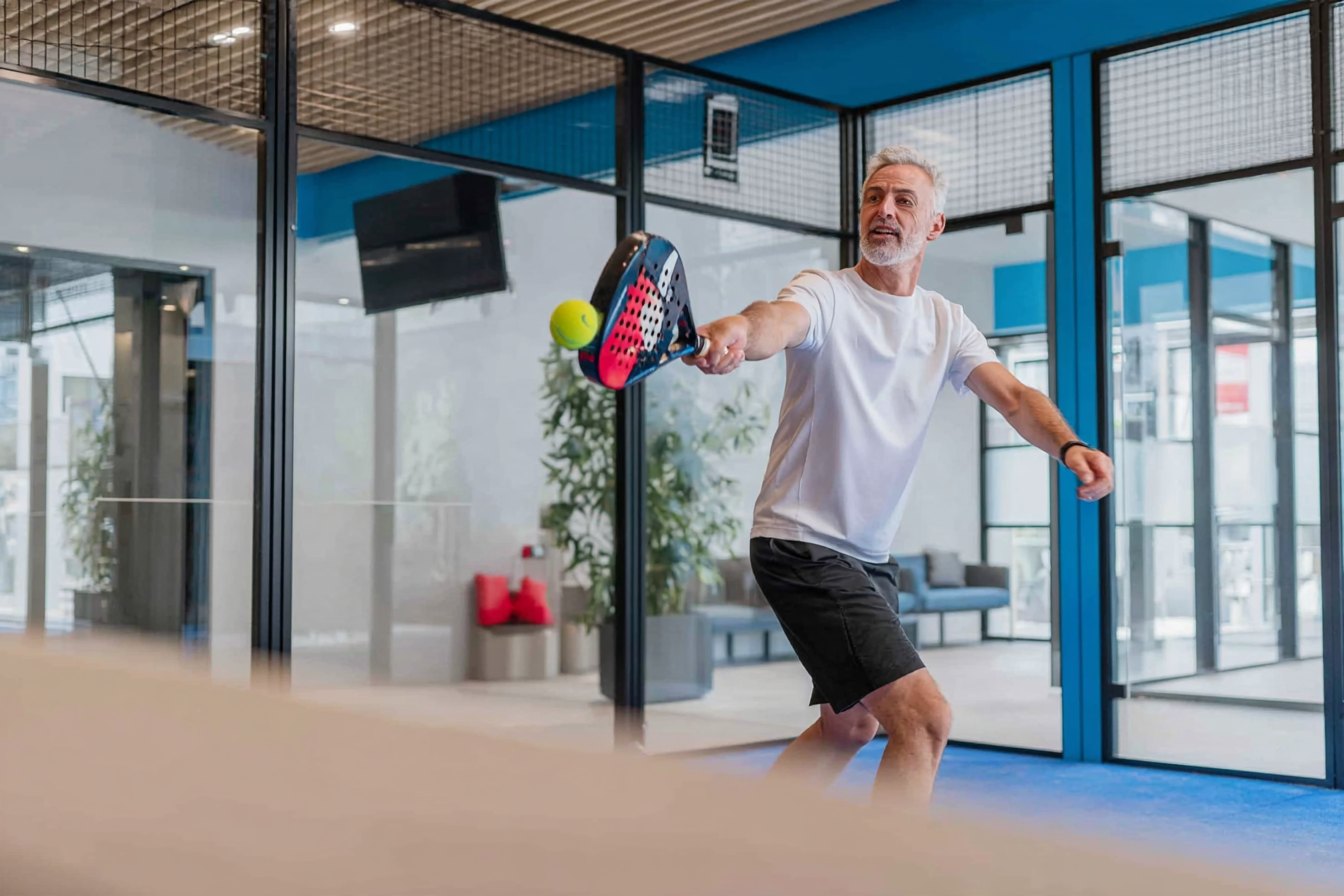
Regular exercise protects your blood vessels:
- At least 2.5 hours of moderate activity per week
- Alternatively 1.5 hours of intense exercise
- Every step counts: even small changes make a difference
Suitable activities:
- Walking, cycling, gardening
- Jogging, fitness training, more intense sports
Healthy lifestyle
- Stopping smoking reduces the risk significantly
- Keep an eye on blood pressure, blood sugar and blood lipids
- Regular medical check-ups
Nutrition for healthy blood vessels
Follow a Mediterranean diet:
- Plenty of vegetables and fruit
- Wholegrain products and pulses
- Healthy fats (e.g. olive oil)
- Fewer highly processed foods
Reduce stress
Short-term stress is normal, but long-term stress can increase the risk.
Helpful are:
- Regular breaks
- Exercise as a balance
- Relaxation (e.g. walks, reading)
- Enough sleep
Medical check-up
If you are unsure or have symptoms such as palpitations, you should seek medical advice. Detecting risk factors early can be crucial.
Therapy and rehabilitation after a stroke
After acute treatment, rehabilitation begins: a crucial step back into everyday life.
At KINEO, we rely on patient-centred, evidence-based and individually tailored care to support you as well as possible.
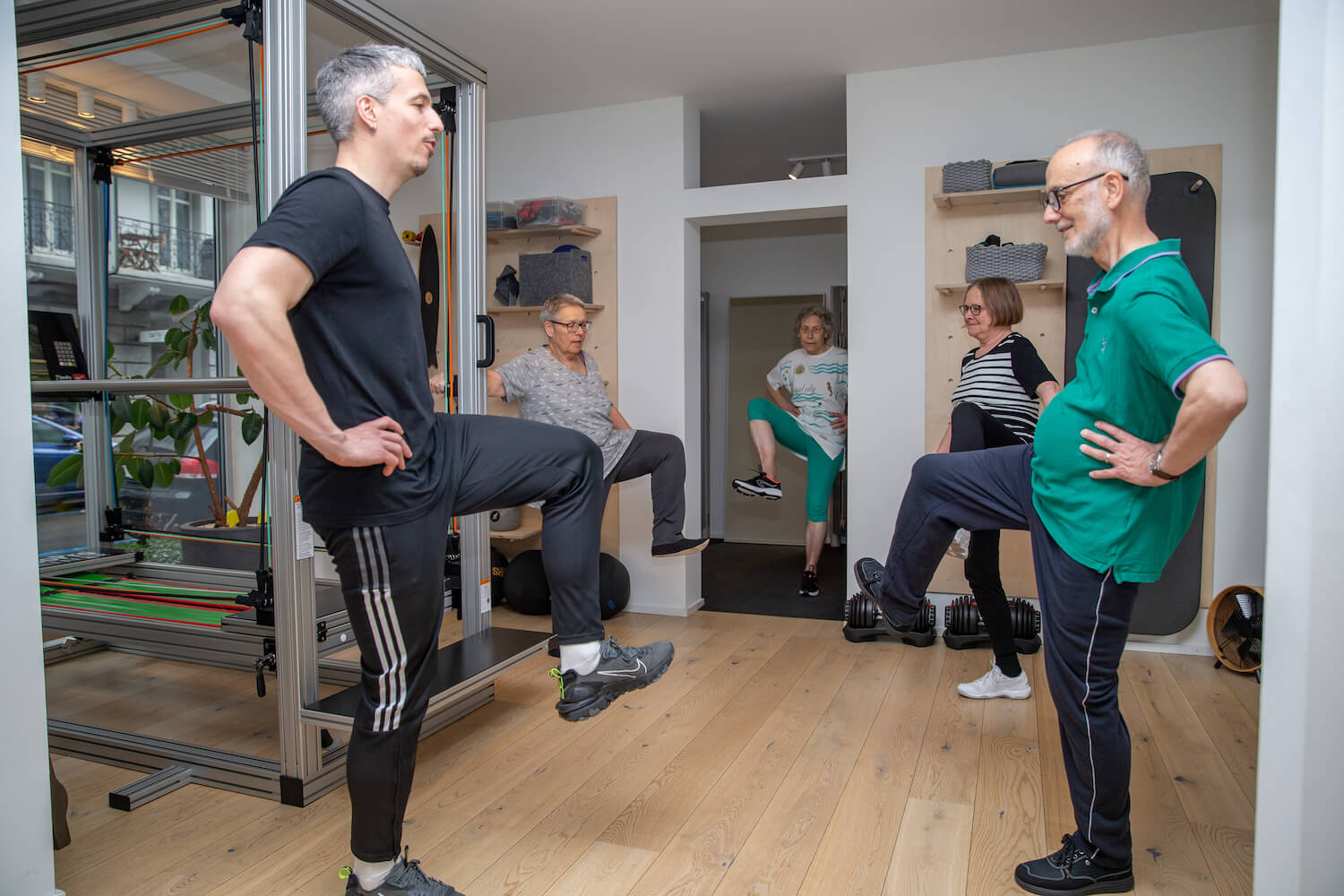
Our physiotherapy focuses:
- Relearning movements
- Improving strength and coordination
- Balance training to prevent falls
- Everyday-oriented training for more independence
Our goal: to guide you step by step back to as self-determined a life as possible.
Conclusion
A stroke is a life-changing event, for those affected and their families. But quick help, targeted therapy and an active lifestyle can achieve a lot.
The sooner you recognise symptoms and act, the better the chances of recovery.
At KINEO, we accompany you on this path, with expertise, empathy and a clear focus on your individual goals.
You don’t have to walk this path alone.
Stroke FAQ
1. How can I recognise a stroke quickly?
With the FAST test: check face, arms and speech, and if anything is abnormal, call 144 immediately.
2. What is the difference between a cerebral infarction and a brain haemorrhage?
In a cerebral infarction, a vessel is blocked; in a brain haemorrhage, a vessel bursts.
3. Can a stroke be prevented?
Yes, through exercise, a healthy diet, stopping smoking and controlling risk factors.
4. How important is fast treatment?
Extremely important: every minute determines the extent of possible damage.
5. How does physiotherapy help after a stroke?
It helps you relearn movements and regain your independence in everyday life.