
Runner’s knee: the basics
What is runner’s knee?
You go for a run, just like always. But suddenly your knee starts to complain. Only slightly at first, then more and more clearly. This is often exactly how it begins.
So-called runner’s knee, medically known as patellofemoral pain syndrome, is one of the most common overuse complaints in runners and athletes. Typical is pain at the front of the knee, around or behind the kneecap (patella).
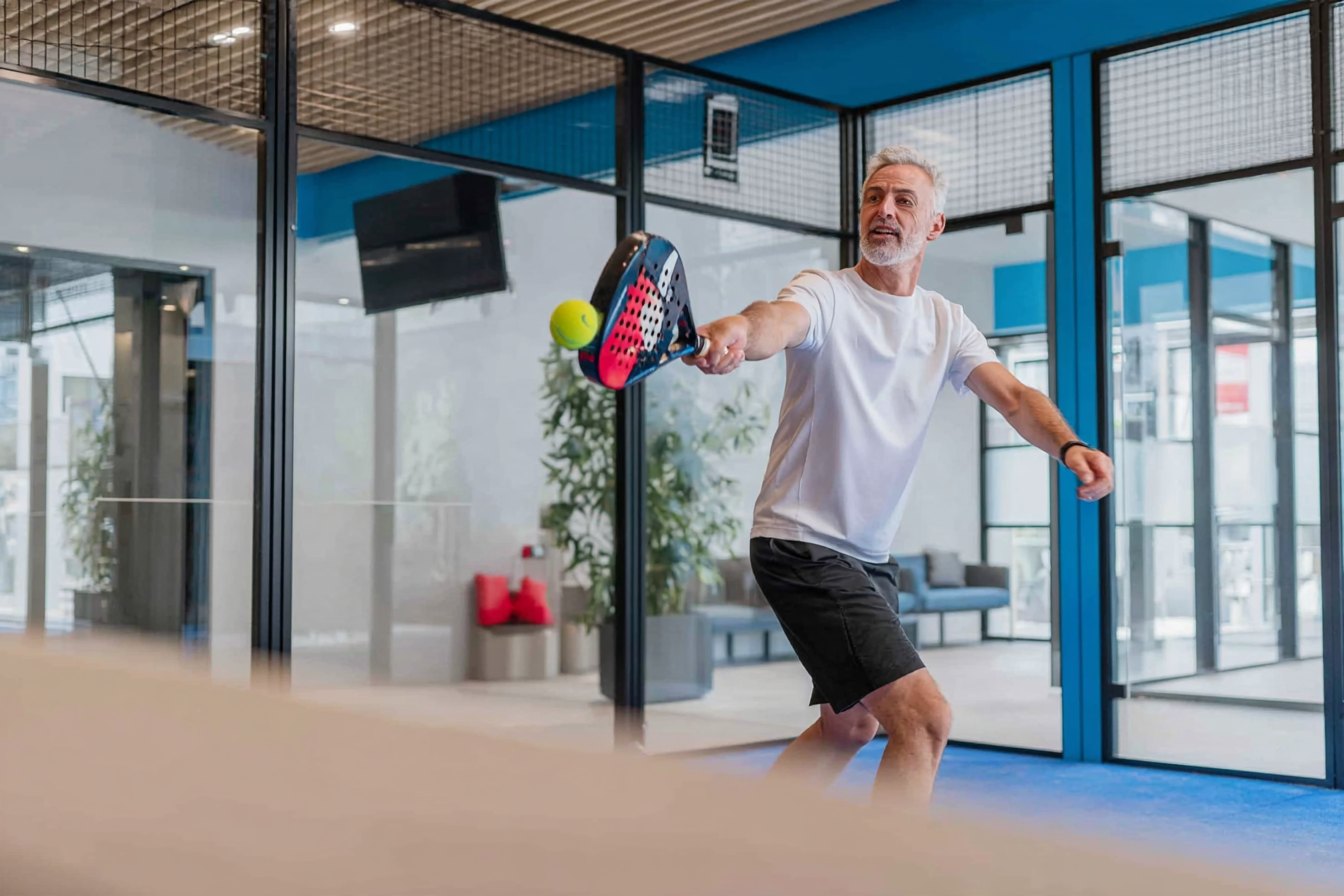
Even if the name suggests otherwise, runner’s knee does not only affect runners. It is just as common in sports with high knee loading, such as football, basketball, volleyball or tennis.
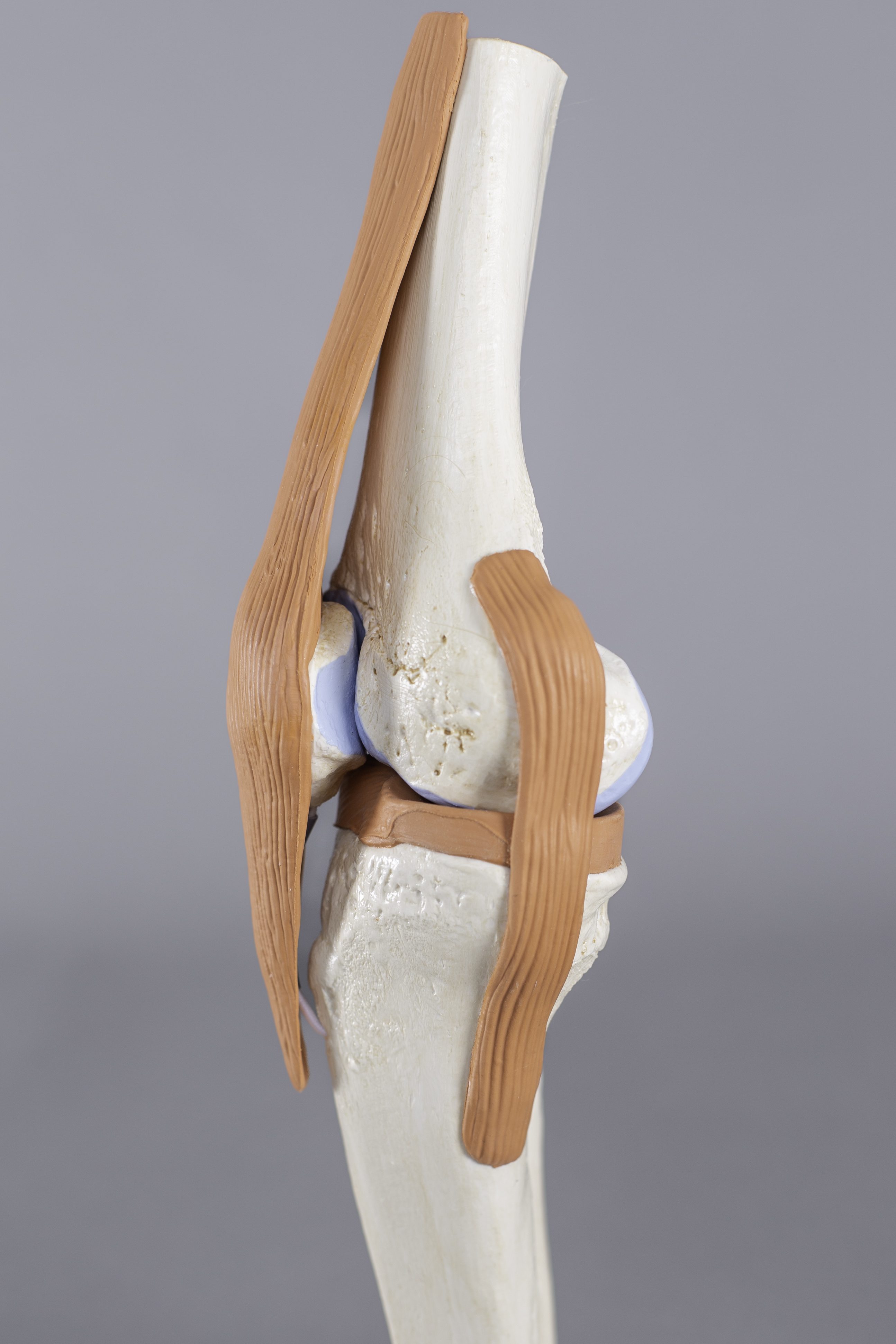
At its core, it is a disturbance of the kneecap’s gliding movement on the thigh bone.
With every bend and stretch, the kneecap glides through a bony groove. If this movement is disturbed, the pressure on the cartilage rises, leading to irritation, inflammation and pain.
The tricky part:
Runner’s knee usually develops gradually. There is rarely a clear trigger; rather, it is the interplay of load, movement patterns and physical make-up.
Causes and risk factors
Runner’s knee almost always results from several factors at once:
Biomechanical imbalances
- Knock knees (genu valgum) or bow legs (genu varum)
- Overpronation (the foot rolling inwards)
- Increased Q angle
These factors lead to uneven loading in the knee joint and disturb the tracking of the kneecap.
Muscular imbalances
- Imbalance between quadriceps and hamstrings
- Weak hip muscles (especially gluteus medius)
An unstable hip has a direct effect on your knee, especially when running and jumping.
Training errors
- Increasing intensity or volume too quickly
- Too little recovery
- Monotonous loading
The so-called 10% rule helps: increase your training by no more than 10% per week.
Running technique and footwear
- Heavy heel striking
- Overly long strides
- Unsuitable or worn-out running shoes
Your running style has a massive influence on the load in your knee, often without you noticing.
Environmental factors
- Hard surfaces (asphalt, concrete)
- Lots of uphill or downhill sections
Variety in your training protects your joints.

Symptoms and course
Runner’s knee shows typical, easily recognisable symptoms:
- Pain at the front of the knee
- Dull or stabbing, often hard to pinpoint
- Worse under load (e.g. climbing stairs, running downhill)
Typical: the “theatre sign”
Pain when sitting for a long time with your knees bent, e.g. at the cinema or in the office.
Other possible symptoms:
- Grinding or cracking in the knee (crepitus)
- Pain even at rest as it progresses
- Swelling when irritated
Without treatment, the problem can become chronic and significantly limit your athletic performance.
What can you do yourself?
Immediate measures and load management
As soon as you notice the first pain:
- Reduce aggravating activities
- Switch to knee-friendly sports such as:
- Swimming
- Aqua jogging
- Cycling
Important: stay active rather than stopping completely.
Cooling and recovery
- Cool for 15–20 minutes (several times a day)
- Elevate the leg slightly
- Apply especially after exercise
Check your footwear
- Replace running shoes every 500–800 km
- Pay attention to cushioning and stability
The right footwear can make all the difference.
Effective exercises for stability and strength
Targeted training is the key to lasting improvement:
Lateral lunge
Goal: strengthen hip and thigh
- Take a big step to the side
- Keep the knee stable over the foot
3 sets of 12 repetitions per side
Step-down
Goal: control of knee movement
- Slowly lower yourself from a raised step
3 sets of 10 per side
Monster walk
Goal: activate the gluteal muscles
- Walk sideways with a resistance band
3 sets of 30 seconds
Single-leg bridge
Goal: hip stability
- Lift the pelvis and hold briefly
3 sets of 10–15 repetitions

Optimising your running technique
Small adjustments, big impact:
- Cadence: approx. 170–180 steps/minute
- Shorter strides reduce the load
- Midfoot strike instead of a hard heel strike
Studies show that a higher cadence clearly reduces the load on the knee.
Technique training
- Skipping
- Strides
- Coordination exercises
Ideal as part of your warm-up.
Recovery
- Foam rolling (thigh, calf)
- Pay attention to sleep quality and nutrition
- Active recovery instead of complete rest
Recovery is training.
Nutrition tips for runners
- Protein: 1.2–1.6 g/kg body weight
- Combine protein + carbohydrates after training
- Drink enough (30–40 ml/kg)
Anti-inflammatory foods:
- Omega-3
- Berries
- Nuts
- Green vegetables
- Turmeric & ginger

What does physiotherapy do?
Comprehensive analysis and diagnostics
In our practice, we don’t just analyse your knee but your entire musculoskeletal system.
- Manual examination
- 5D gait and running analysis
- Video analysis & pressure measurement
Goal: to find the real cause of your complaints.
Manual therapy and physical measures
- Mobilisation of the kneecap
- Trigger point and fascia treatment
- Cold and heat therapy
- Shockwave therapy (if needed)

Functional training and movement education
- Individual exercise programme
- Hip and trunk stability
- Proprioception training
- Eccentric training
You learn to actively control your knee.
Modern technologies
- Currex 5D running analysis
- Pressure plates
- Movement analysis software
Objective data for the best possible treatment results.

Return to run: safely back to running
- Structured training build-up
- Walk-run programmes
- Progressive load increase
Step by step back to full capacity.
Your comeback starts now
Knee pain doesn’t have to slow you down.
With the right strategy, you can:
- reduce pain for good
- improve your running technique
- run stronger and more efficiently than before
Do you have knee pain or finally want to run pain-free again?
Then don’t wait until it gets worse.
Book your appointment at Kineo now:
- Individual analysis of the cause
- State-of-the-art running diagnostics
- Personal treatment and training plan
Together we’ll get you back on the running track: pain-free, stable and performing better.