

Neurodegenerative diseases: when the nervous system changes
What are neurodegenerative diseases?
Neurodegenerative diseases are chronic, mostly progressive diseases of the nervous system. Over time, nerve cells are lost or stop working properly.
This can affect many areas of your life, movement, thinking, memory or perception can be impaired.
The best-known conditions include:
- Alzheimer's disease
- Parkinson's disease
- Amyotrophic lateral sclerosis (ALS)
- Huntington's disease
For many people affected and their relatives, the diagnosis is at first distressing and comes with uncertainty. This makes individual, empathetic and evidence-based support that helps you in daily life all the more important.
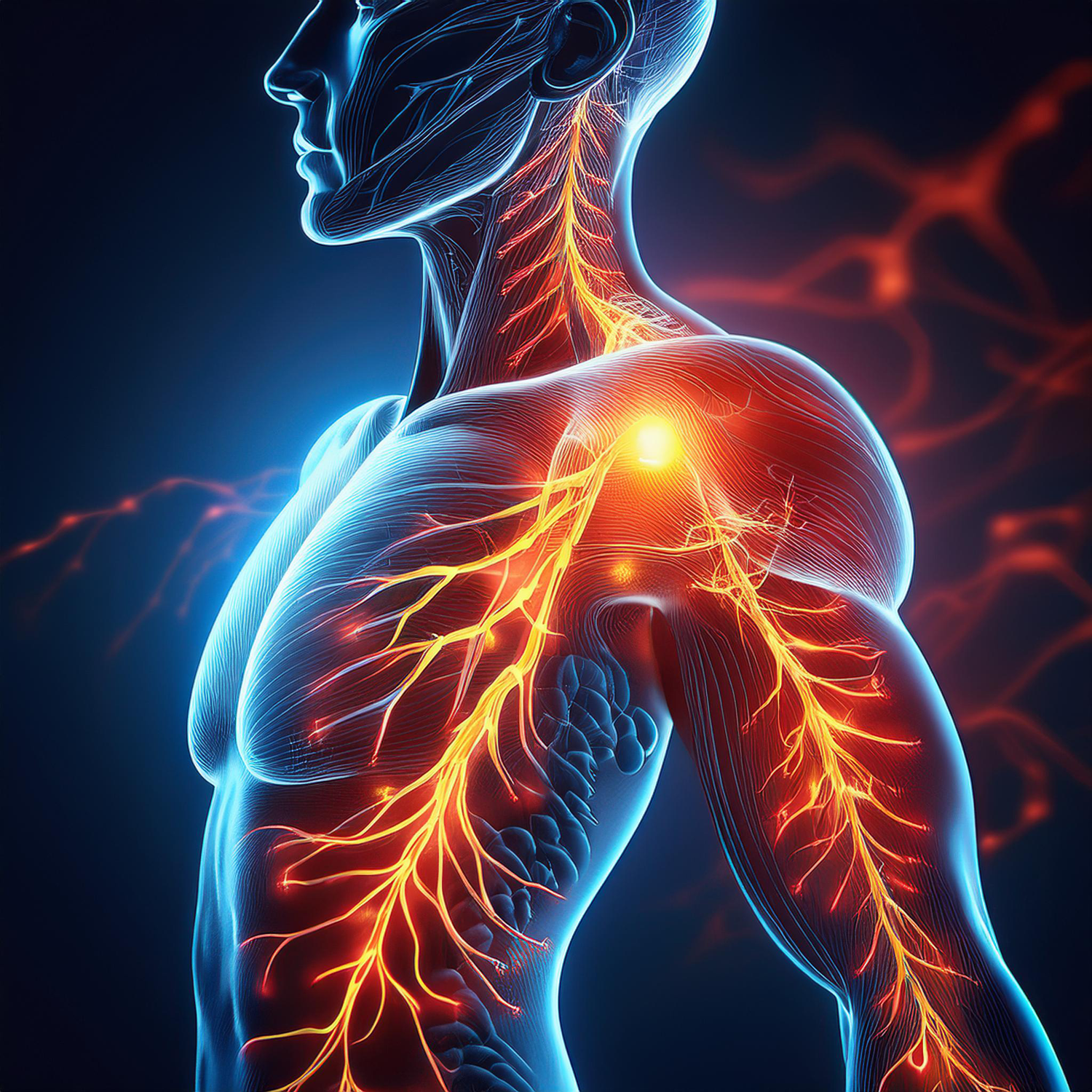
Common neurodegenerative diseases
Alzheimer's disease
The most common form of dementia.
- Onset usually gradual
- Memory problems, difficulty with orientation
- Increasing loss of independence over time
Parkinson's disease
A disease of the motor system.
- Tremor
- Muscle stiffness (rigidity)
- Slowed movements (bradykinesia)
- Often also sleep disturbances or mood swings

Amyotrophic lateral sclerosis (ALS)
A rare but serious disease of the motor neurons.
- Progressive muscle weakness
- Paralysis over time
- Requires comprehensive medical and therapeutic care
Huntington's disease
A genetic disease.
- Uncontrolled movements (chorea)
- Cognitive impairment
- Changes in behaviour and personality
Causes and risk factors
The exact causes are often not fully understood. Several factors often work together:
- Genetic predisposition (e.g. in Huntington's)
- Age: the most important risk factor in many diseases
- Environmental factors such as toxins
- Inflammatory processes and oxidative stress

Symptoms and course
Symptoms usually develop gradually and change over time:
Early stage:
- Mild memory problems
- First movement abnormalities
- Insecurity or difficulty concentrating
Advanced stage:
- Marked restrictions in movement or thinking
- Everyday activities become more difficult
- Increasing need for support
Late stage:
- Severe physical or cognitive impairment
- Need for nursing care
Every disease takes an individual course, and this is exactly where tailored care is crucial.
Diagnosis
Diagnosis is made up of several building blocks:
- Thorough clinical examination
- Imaging (MRI or CT) to show changes in the brain
- Laboratory tests to rule out other causes
- Genetic tests if a hereditary form is suspected
An early diagnosis helps to treat in a targeted way and to influence the course as well as possible.
Treatment and therapy
Even though many neurodegenerative diseases are currently not curable, there are numerous ways to relieve symptoms and maintain quality of life.
Drug therapy
- Medication to support memory and cognition (e.g. in Alzheimer's)
- Improving movement (e.g. levodopa in Parkinson's)
- Treatment of accompanying symptoms such as depression
Physiotherapy and rehabilitation
At KINEO, we rely on patient-centred, evidence-based and individually tailored care to support you as well as possible, both in daily life and in the long term.
- Movement therapy: Improving mobility and coordination
- Balance training: Reducing the risk of falls
- Strength and functional training: Maintaining independence
- Neural mobilisation & myofascial techniques: Supporting nerve and muscle health
Complementary measures
- Occupational therapy for everyday functions
- Speech and language therapy for speech and swallowing problems
- Psychological support
Our approach at KINEO:
We see you as a whole, your goals, your daily life and your individual challenges. Together we develop a therapy programme that supports you as well as possible.

Living with a neurodegenerative disease
A diagnosis like this changes a lot, but you are not alone.
Important supportive measures:
- Early care planning
- Exchange in self-help groups
- Adapting your living environment
- Regular movement to promote function and well-being
An interdisciplinary team of doctors, therapists and nursing staff is crucial to support you comprehensively.
Conclusion
Neurodegenerative diseases present those affected and their relatives with major challenges. At the same time, there are many ways to influence the course positively and to actively maintain quality of life.
At KINEO, we accompany you empathetically, individually and in an evidence-based way on your journey. Together we develop strategies that give you confidence and help you manage your daily life as well as possible.
You don't have to walk this path alone.
FAQ on neurodegenerative diseases
1. Are neurodegenerative diseases curable?
Currently, most are not curable. However, therapies can relieve symptoms and influence the course positively.
2. Why is physiotherapy so important?
It helps to maintain mobility, balance and independence for as long as possible and to avoid falls.
3. Can movement improve the course?
Regular, adapted movement can maintain function, relieve symptoms and improve quality of life.
4. When should I start therapy?
As early as possible, early therapy can positively influence the course of the disease.
5. How can KINEO support me?
With individual, evidence-based physiotherapy, tailored to your goals and your daily life.