
An overview of anterior cruciate ligament tears in elite sport
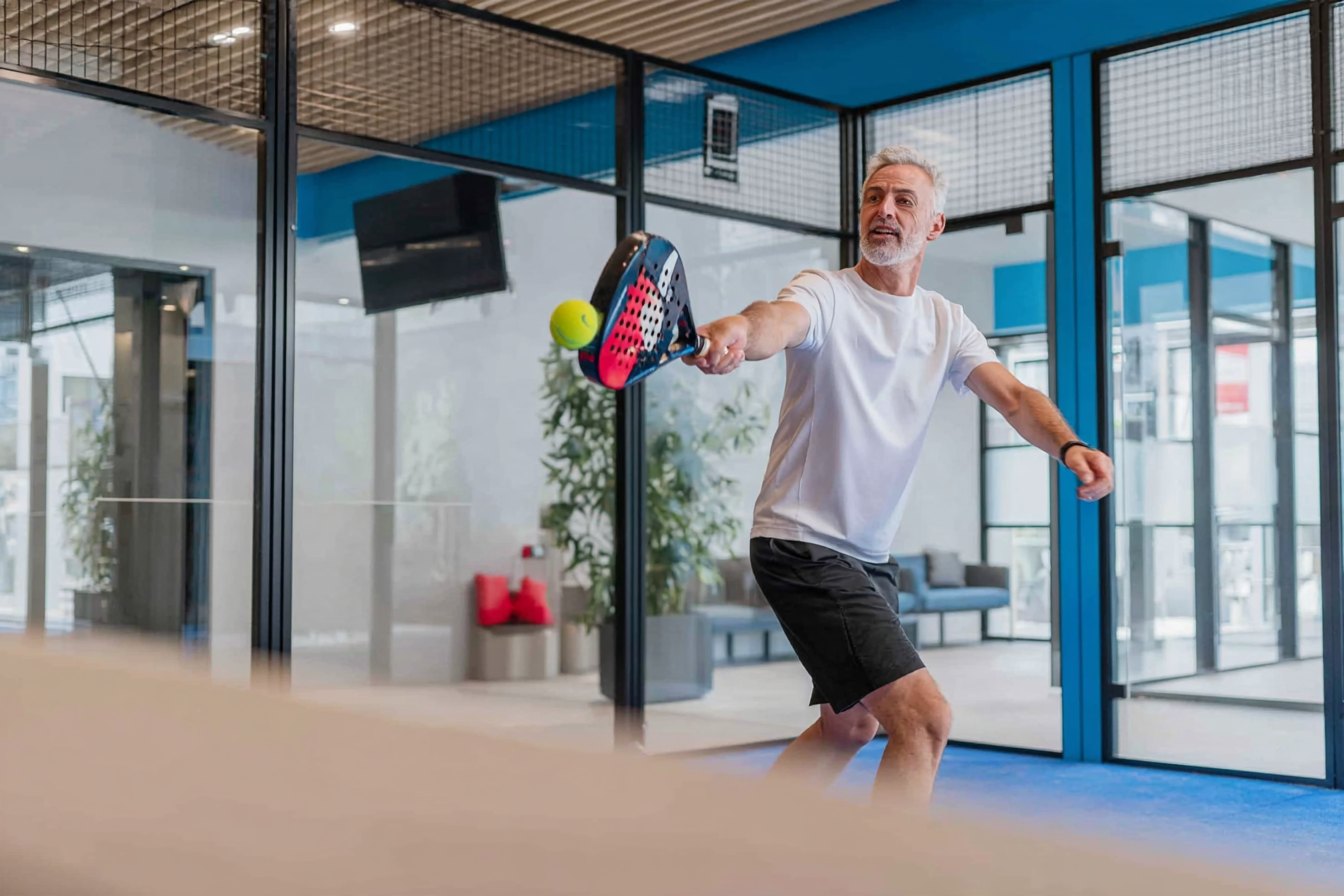
A cruciate ligament tear is one of the most common and, at the same time, most serious injuries of the knee joint. In sport, it often happens in a moment that feels "perfectly normal": a quick change of direction, a jump, a landing or an awkward buckle of the knee.
Many people describe it in a similar way: a brief pain, sometimes an audible "pop", and then the knee suddenly feels unstable.
That is why a cruciate ligament tear is not just a physical injury. It is often a turning point in an athlete's everyday life as well.
What happens in the knee when a cruciate ligament tears?
The knee is one of the most heavily loaded joints in the body. It carries your entire body weight and has to absorb enormous forces in sports such as football, skiing or handball.
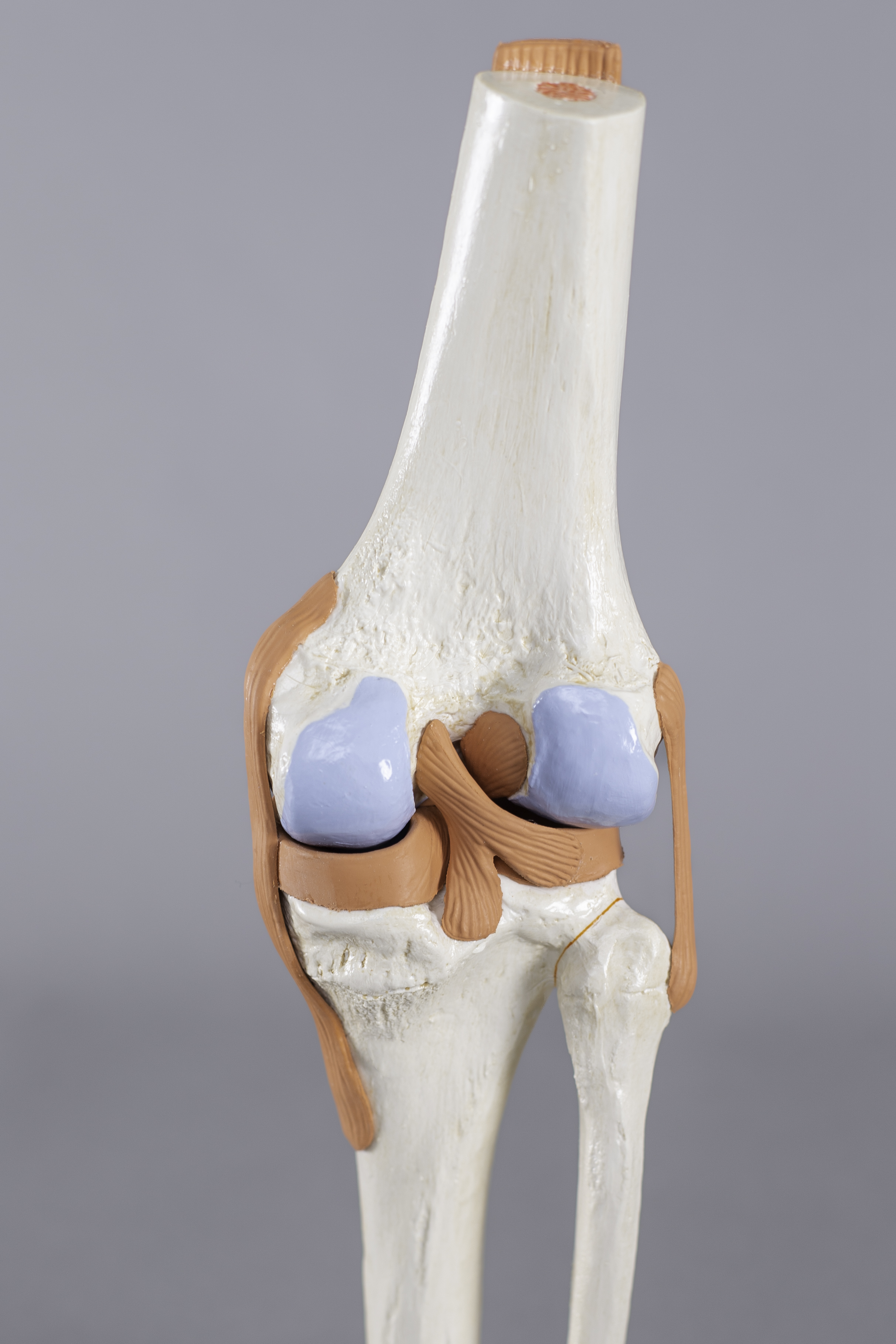
Four important ligaments provide stability:
- Medial collateral ligament
- Lateral collateral ligament
- Anterior cruciate ligament (ACL)
- Posterior cruciate ligament (PCL)
The anterior cruciate ligament is particularly important for stability during dynamic movements. That is also why it is injured far more often: a tear of the anterior cruciate ligament occurs about 10 times more often than a tear of the posterior cruciate ligament.
Anatomy of the cruciate ligaments
The anterior and posterior cruciate ligaments are the central stabilising structures of the knee joint. They connect the thigh bone (femur) to the shin bone (tibia) and prevent the knee from shifting uncontrollably under load.
You can think of them as the "central guy ropes" of the knee joint. Without them, the knee loses its precise guidance.
How does a cruciate ligament tear happen?
In most cases it is a traumatic event, in other words an accident during sport.
Typical situations are:
- sudden changes of direction
- landing after jumps
- the knee buckling inwards
- twisting movements with the foot planted
It happens particularly often in:
- football
- basketball
- handball
- skiing
Depending on the loading situation, either the anterior or the posterior cruciate ligament can be affected.
- ACL tear: typically during sporting movements involving rotation and flexion
- PCL tear: more likely with a direct impact (e.g. a road traffic accident)
Symptoms of a cruciate ligament tear
A cruciate ligament tear is often experienced in a very typical way:
- sudden, intense pain
- often an audible "pop"
- the acute pain eases quickly
- but: lasting instability in the knee
Many people report what is known as the "giving-way phenomenon", in other words the knee buckling even under light load.
Other common signs are:
- swelling from bruising
- restricted movement
- a feeling of insecurity in everyday life and sport
Important: not every cruciate ligament tear leads to severe instability straight away. Many people partly compensate with their muscles, so the problem is less noticeable at first.
Treatment options for a cruciate ligament tear
The treatment depends heavily on:
- your activity level
- the degree of instability
- associated injuries (meniscus, collateral ligaments)
- your sporting goals

Conservative treatment
Conservative treatment focuses on strengthening the surrounding muscles.
The aim is to protect the knee joint through active stability and to secure it functionally.
Typical components:
- functional strength training
- medical training therapy (MTT)
- sensorimotor training (e.g. SensoPro)
- ongoing physiotherapy support
Surgical treatment
Surgery is usually recommended in cases of:
- pronounced instability
- high sporting demands
- additional injuries
Even before surgery, so-called "prehab training" is important:
- reduce swelling
- improve mobility
- activate the muscles
This demonstrably improves recovery after the operation.
Rehabilitation after a cruciate ligament tear: the typical course
Healing after a cruciate ligament tear is a structured process that takes time and patience.
Phase 1: the first 2 weeks
In this phase the focus is on:
- reducing inflammation
- pain control
- reducing swelling (e.g. lymphatic drainage)
Goal:
- calm the knee
- first activation of the muscles
Typical measures:
- lymphatic drainage
- ice / cryotherapy
- early isometric exercises
- gentle movement exercises
Phase 2: weeks 3–4
Now active rehabilitation begins.
Priorities:
- regaining control
- building basic stability
- first functional loading
Typical:
- more intensive physiotherapy
- coordination exercises
- controlled strengthening
Phase 3: from about 3 months
In this phase the knee is loaded more heavily again.
Goals:
- controlled introduction to sport
- building strength and stability
- first sport-specific movements
Often permitted:
- cycling
- strength training
- controlled forms of movement
Phase 4: about 7–8 months
Now the return to sport begins:
- first contact sports
- complex movement patterns
- high coordination demands
Typical sports:
- football
- handball
Phase 5: about 12 months
- full return to elite sport
- completion of rehabilitation
What can you do yourself after a cruciate ligament tear?
Even though the injury is serious, you can actively contribute to your recovery.
Acute phase: the PRICE rule
- Protect: stop loading the knee
- Ice: cool it (10–15 minutes, never directly on the skin)
- Compression: a light bandage
- Elevation: raise the leg to reduce swelling
Natural support
The following can help:
- peppermint oil
- camphor
- menthol
These have a cooling and pain-relieving effect.
Also:
- arnica (ointment)
- → anti-inflammatory and decongestant
Bandage or brace?
A brace can be useful:
- for stabilisation
- to limit movement
Important:
- use it only temporarily (about 4–6 weeks)
- it is not a permanent solution
Because: your muscles have to learn to stabilise the knee themselves again.
Training after a cruciate ligament tear
One key point:
Your muscles determine stability.
So:
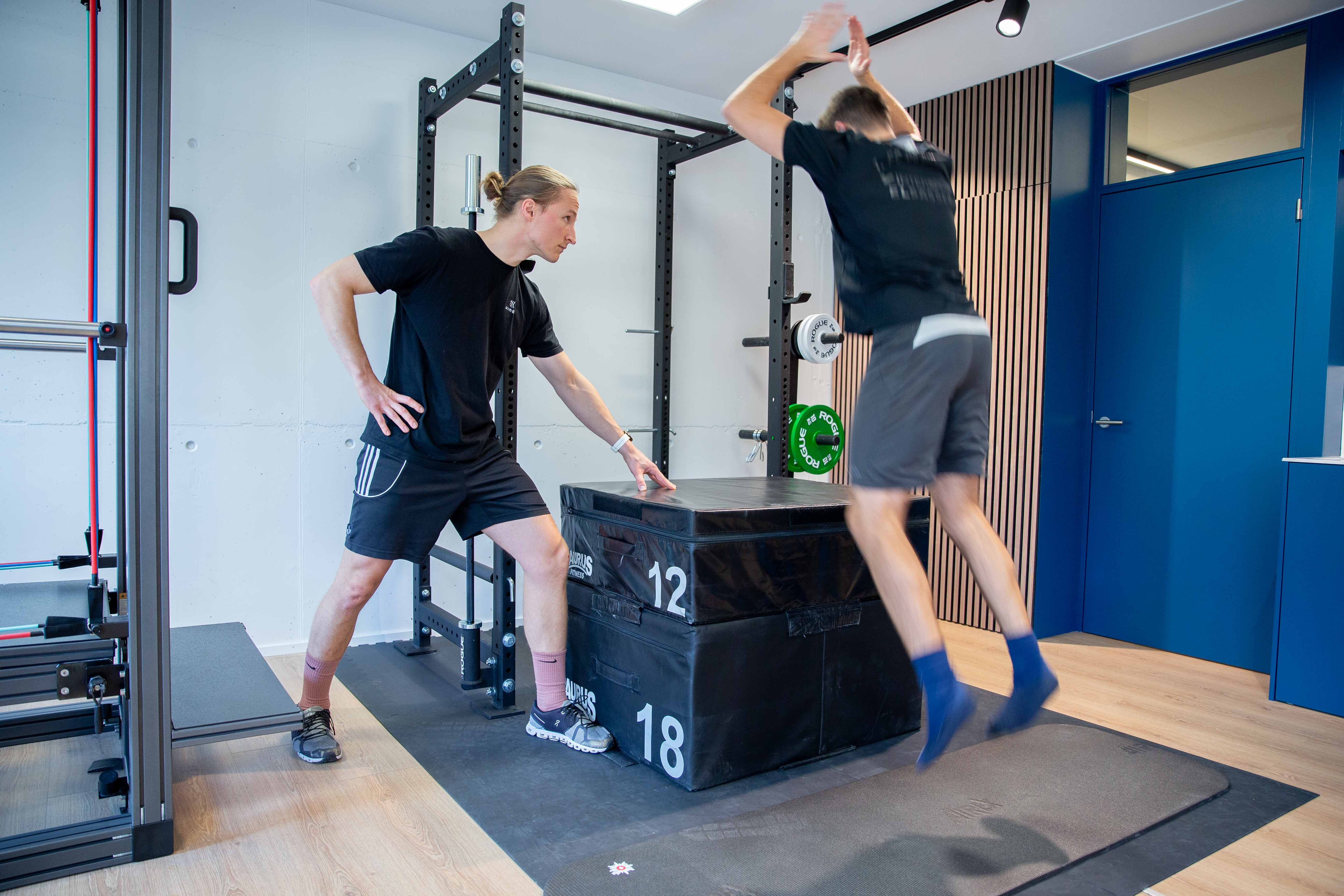
- start functional training early
- adapted to you individually
- under professional guidance
How KINEO helps with a cruciate ligament tear
A cruciate ligament tear is not a "standard injury". That is why it needs clear, structured and individually adapted treatment.
Before surgery (prehab)
- lymphatic drainage against swelling
- targeted training to activate the muscles
- preparation for the operation
After surgery: the early phase
- pain and swelling management
- protecting the graft
- first active movements
Studies show that early, controlled activation improves stability in the long term.
Rehabilitation phases
Phase 1 (0–6/8 weeks)
- reduce swelling
- regain full extension
- normalise your gait
- first muscle control
Phase 2 (individual)
- building strength
- coordination
- endurance
- mobility
- speed
Goal:
Return to everyday life and sport with full capacity
Total duration: about 9 months (depending on progress)

Conservative therapy
Even without surgery:
- reduce swelling
- improve mobility
- build up functional training
- create stability through your muscles
Why KINEO?
KINEO combines:
- modern physiotherapy
- sports science
Locations with special facilities:
- 5D running analysis (Zürich Seefeld)
- medical training therapy (Thalwil, Escher Wyss & Wipkingen)
- SensoPro training
- functional athletic training
The aim is not only healing, but also:
a safe return to your sport at a high level
Summary
A cruciate ligament tear is a serious injury, but it is not the end of your sporting life.
With the right combination of:
- therapy
- training
- patience
- and structured rehabilitation
your knee can become fully load-bearing again.
FAQ: frequently asked questions about cruciate ligament tears
1. Does a cruciate ligament tear always need surgery?
No. Surgery is not absolutely necessary in every case. The key factors are:
- the degree of instability
- your sporting level
- possible associated injuries
- your individual goals
In performance-oriented sports, surgery is more common in order to achieve maximum stability for high loads. In less demanding everyday situations, conservative therapy can also be very successful.
2. Can a cruciate ligament tear heal without surgery?
The ligament itself does not fully grow back together in its original structure. However, through targeted muscle building and neuromuscular training, the body can develop very good functional stability.
This means that even without surgery, your knee can become stable and load-bearing in everyday life, provided rehabilitation is consistent and structured.
3. How long does healing take after a cruciate ligament tear?
Rehabilitation is a long-term process and takes on average:
- about 6 to 12 months until you are fully cleared for sport
The course is individual, but typically follows these phases:
- early healing and reducing swelling (0–2 weeks)
- functional build-up (3–12 weeks)
- strength and coordination training (3–6 months)
- sport-specific training (from 6–9 months)
- return to sport (about 9–12 months)
4. When can I do sport again after a cruciate ligament tear?
That depends heavily on the sport and on your functional stability:
- Cycling & strength training: from about 3 months
- light running training: from about 3–4 months
- Changes of direction & jumps: from about 6 months
- Contact sports: often 7–9 months or later
What matters is not only time, but the quality of your movement and your strength symmetry.
5. What happens if I leave my cruciate ligament untreated?
Left untreated, a cruciate ligament tear can lead to long-term problems:
- chronic instability
- meniscus damage from abnormal loading
- cartilage wear
- an increased risk of early osteoarthritis
That is why structured therapy, whether conservative or surgical, is crucial for long-term joint health.