
Dystonia: When the Body Goes Its Own Way
What is dystonia?
Dystonia is a neurological movement disorder that causes involuntary muscle contractions. These muscle spasms can be sustained or recurring and often lead to twisting movements or unusual body postures.
For many people, this means not only pain or muscle tension but also marked limitations in everyday life, for example when working, writing, speaking or walking.
Unlike other neurological movement disorders, such as Parkinson's syndrome, dystonia is not primarily characterised by tremor or slowness, but by excessive and uncontrolled muscle activity.
The symptoms can:
- affect just one body region
- involve several neighbouring body areas
- or, in rare cases, affect the whole body.
Although dystonia is not among the most common neurological conditions, it is well known clinically and treatable. Even so, it is sometimes recognised late, because the symptoms can vary widely and often develop gradually.
Many people therefore report a long road to the right diagnosis. A thorough neurological assessment and an individually tailored therapy are especially important.
Causes and risk factors
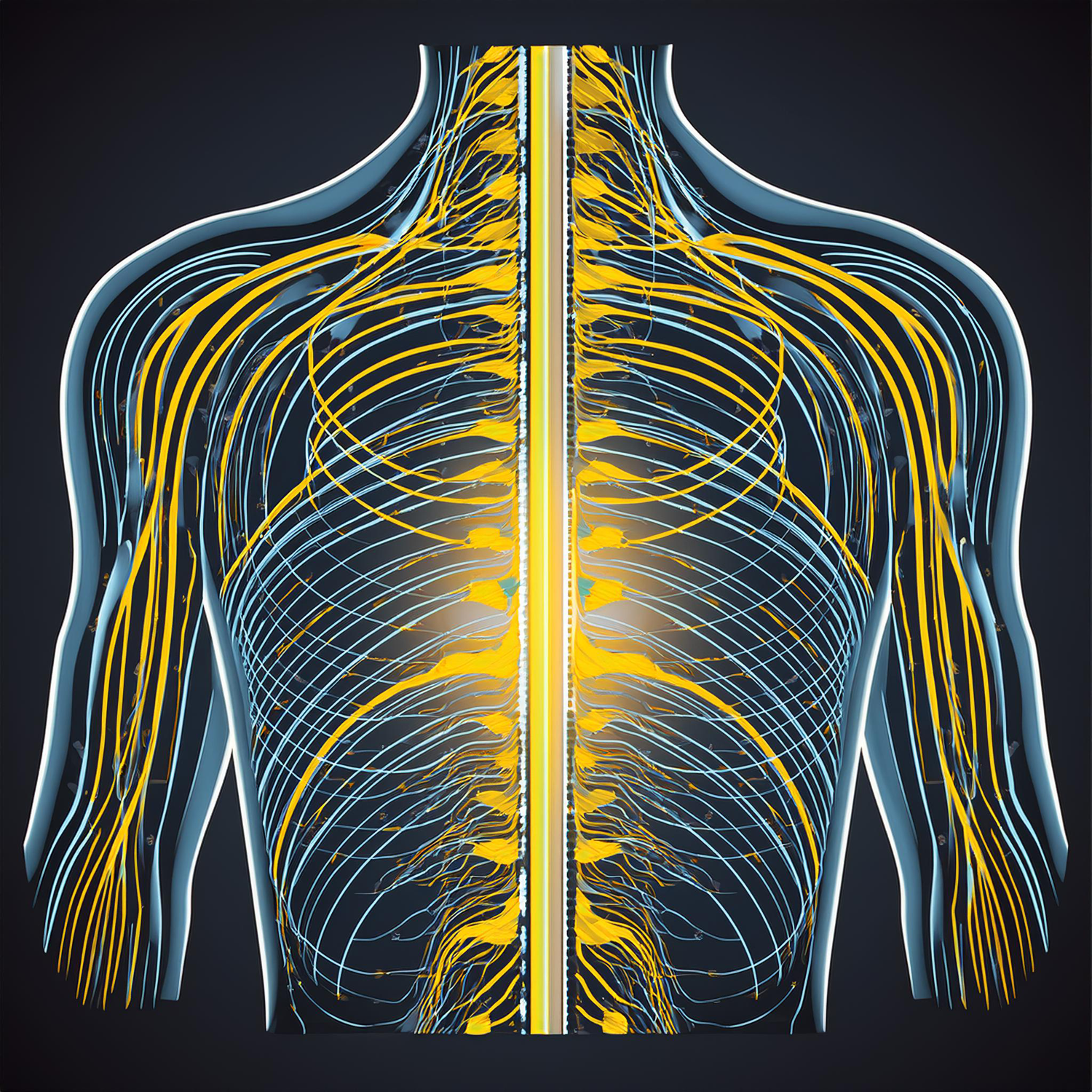
The causes of dystonia are varied. In many cases there is a disturbance of movement control in the brain, particularly in the so-called basal ganglia.
Medically, doctors mainly distinguish between primary and secondary dystonias.
Primary dystonias
In primary dystonias, the cause is usually genetic changes, without any other neurological condition being present.
Possible causes include:
Genetic mutations
Certain gene changes can trigger dystonia. Particularly well known is the DYT1 mutation, which is often linked to early-onset generalised dystonia.
Family clustering
In some families dystonia occurs more often than usual, which can point to a hereditary component.
Secondary dystonias
Secondary dystonias arise as a result of other conditions or external influences.
Possible causes include:
- Traumatic brain injuries
- Strokes, especially in the area of the basal ganglia
- Side effects of certain medications, for example neuroleptics (tardive dystonia)
- Infections of the nervous system
- Metabolic disorders, such as Wilson's disease
- other neurological conditions such as Parkinson's disease or multiple sclerosis
Risk factors
Some factors can make dystonia more likely:
- Age: this varies depending on the form of dystonia
- Sex: cervical dystonia is more common in women
- repetitive movements from intensive training
- long-term use of certain medications
Types of dystonia
Dystonias are often classified by which body region is affected.
Focal dystonias
This most common form affects only one body region.
Cervical dystonia (torticollis)
Cervical dystonia is the most common form of focal dystonia. It causes involuntary twisting or tilting of the head and neck.
Many people also experience:
- neck pain
- muscle tension
- restricted head movement
Blepharospasm
Involuntary squeezing shut of the eyelids, which in extreme cases can seriously impair vision.
Oromandibular dystonia
Affects the jaw, facial and tongue muscles and can cause difficulty with speaking, chewing or swallowing.
Spasmodic dysphonia
Cramping of the laryngeal muscles, which can lead to a strained or interrupted voice.
Focal hand dystonia
Also known as writer's cramp or musician's dystonia. This form usually occurs during specific activities.
Segmental dystonias
Here two or more neighbouring body regions are affected.
Examples:
- Cranio-cervical dystonia (face and neck)
- Bibrachial dystonia (both arms)
Generalised dystonias
These rarer forms affect several body regions or the entire body.
They often begin in childhood or adolescence and can spread over time.
Task-specific dystonias
These special forms occur only during certain activities.
Examples:
- Musician's dystonia
- Writer's cramp
- sport-specific dystonias
These forms often develop only after many years of intensive training.
Symptoms and diagnosis
Typical symptoms
The symptoms can vary widely depending on the form and the area affected.
Typical complaints are:
- involuntary muscle contractions
- twisted or unusual body postures
- painful muscle cramps
- dystonic tremor
- worsening of symptoms with stress or tiredness
One interesting phenomenon is the so-called "geste antagoniste" (sensory trick).
Here a particular touch or posture can briefly ease the symptoms, for example lightly touching the chin in cervical dystonia.
Diagnosis
The diagnosis is usually made by a neurologist who specialises in movement disorders.
The diagnostic process can include:
Neurological examination
- Analysis of movement patterns
- Examination of muscle activity, posture and reflexes
Imaging
- MRI to assess possible structural changes
- CT for certain questions
Laboratory tests
- Blood tests to rule out metabolic disorders
Electromyography (EMG)
- Measuring electrical muscle activity
- Analysing the patterns of muscle overactivity
The diagnosis is often a process of exclusion, in which other neurological causes are ruled out.
Treatment of dystonia
Dystonias are currently not curable, but they can often be treated and controlled well.
Therapy is tailored to the individual and often combines several treatment approaches.
Medication
Botulinum toxin injections
Botulinum toxin injection is considered the most effective therapy for many focal dystonias.
The medication reduces excessive muscle activity by blocking signal transmission between nerve and muscle.
The effect usually lasts 3–6 months, after which the treatment is repeated.
Oral medications
Depending on the form, the following may be used:
- Anticholinergics
- Muscle relaxants
- dopaminergic medications
- Benzodiazepines
Surgical treatment
In severe cases, deep brain stimulation (DBS) may be considered.
Electrodes are implanted that stimulate certain areas of the brain and can thereby influence movement disorders.
Physiotherapy for dystonia
Physiotherapy plays a central role in the treatment of dystonia and can help improve movement control, function and quality of life.
At KINEO Physiotherapie we work with an individually tailored, evidence-based and patient-centred approach.
This means:
- Every treatment is adapted to your individual symptoms, goals and capacity.
- We follow current scientific findings and guidelines for neurological rehabilitation.
- At the same time, we take into account your personal life situation, everyday demands and individual needs.
Our therapy can include:
Individual exercise training
- targeted stretching and mobilisation exercises
- Strengthening of the antagonist muscles
- Improving posture, movement coordination and body awareness
Neuromobilisation
Gentle techniques to support the mobility and function of nerve structures.
Myofascial techniques
Treatment of tension and fascial tightness that can result from dystonic muscle activity.
Relaxation and breathing techniques
These can help to regulate the nervous system and reduce muscle tension.
Our goal is to work with you to make movement safer and more controlled again, reduce pain and improve your independence in everyday life.

Physiotherapy for dystonia in Zürich, Thalwil and Zollikon
In our practice we support people with dystonia and other neurological movement disorders.
Our focus is on:
- Improving movement control
- Reducing pain and muscle tension
- Promoting everyday function and independence
- long-term rehabilitation
Therapy is tailored to your symptoms and goals.
Living with dystonia
Living with dystonia can be physically and emotionally challenging. Over time, however, many people develop strategies to manage their everyday life well.
The following can help:
- ergonomic adjustments in everyday life
- regular exercise
- stress management
- exchange with others affected
With a combined therapy of medical treatment, physiotherapy and supportive strategies, quality of life can often be improved considerably.
You don't have to walk this road alone. Book your appointment now!