CMD (cranio-mandibular dysfunction): causes, symptoms & treatment
What is CMD (cranio-mandibular dysfunction)?
CMD describes a dysfunction of the temporomandibular joint (TMJ) and the surrounding muscles and structures. The jaw joint is one of the most complex joints in the body, and it is closely linked to the neck, head and even posture.
When this interplay is disturbed, it can lead to pain and limitations that significantly affect everyday life.
Many people suffer not only from jaw problems, but also from:
- Headaches
- Neck tension
- Reduced quality of life
Causes of CMD
CMD rarely has a single cause; it is usually an interplay of several factors:
- Teeth grinding or clenching (bruxism)
- Stress and psychological strain
- Poor posture (e.g. lots of sitting, screen work)
- Anatomical misalignments of the jaw or teeth
- Injuries or accidents (trauma)
Stress very often plays a central role, as it can lead to increased muscle tension in the jaw area.
Typical symptoms of CMD
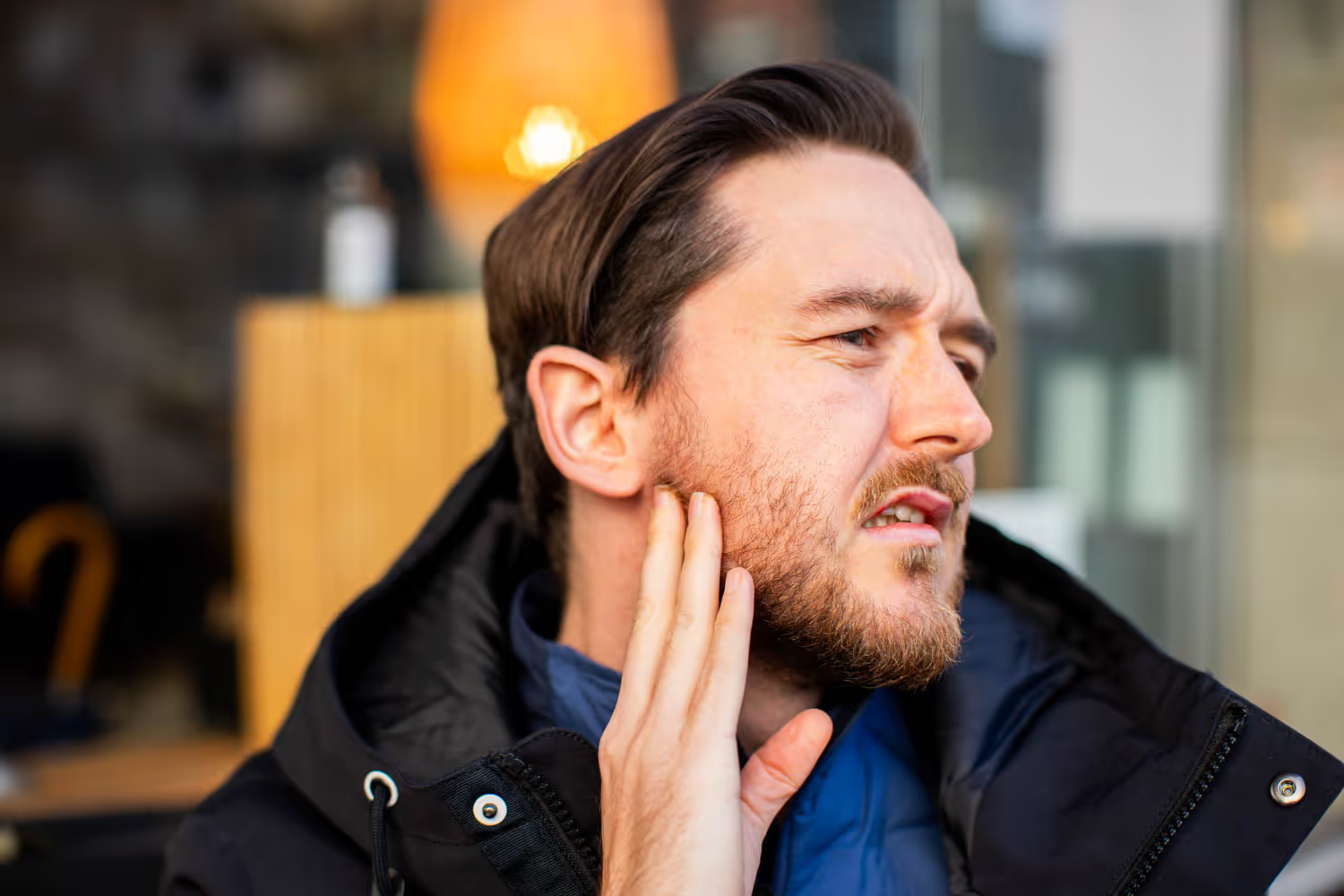
CMD can show up in very different ways. Common complaints are:
- Pain in the jaw, face or neck
- Headaches or migraine
- Clicking, grinding or locking in the jaw joint
- Limited mouth opening or problems chewing
- Tinnitus or earache
- Dizziness
- Tense chewing muscles
Important: not all symptoms have to occur at the same time; even individual complaints can point to CMD.

What you can do yourself for CMD
Heat & relief
Heat applications such as warm compresses or heat pads can help promote blood flow and relax tense muscles.
Relaxation techniques
As stress is a central factor, targeted relaxation exercises can help:
- Progressive muscle relaxation
- Autogenic training
- Breathing exercises
Exercises for CMD: for more mobility and relaxation
A targeted exercise programme can improve the function of the jaw joint and reduce complaints in the long term:
1. Jaw opening with light resistance
Open your mouth slowly and in a controlled way. Place your fingertips on your chin and apply gentle resistance.
→ 8–10 repetitions
2. Sideways jaw movements
Move your lower jaw slowly to the left and right (optionally with a small object between your teeth for control).
→ 10 repetitions per side
3. Tongue-to-palate exercise
Press your tongue against the roof of your mouth and open and close your mouth slightly.
→ approx. 5 minutes
4. Relieving the chewing muscles
Apply light pressure with your fingers on your cheeks while you open your mouth.
→ 6–8 repetitions
5. Improve your posture
Stand against a wall (heels, pelvis, back and head touching it) and draw your chin back slightly.
→ hold for 1–2 minutes, 3× daily
Background: an upright posture can significantly reduce the load on the jaw joint.
How can physiotherapy help with CMD?
CMD is very treatable, especially with an individual, holistic approach.
Goals of physiotherapy
- Reduce pain
- Improve jaw function
- Regulate muscle tension
- Prevent relapses
Therapy at KINEO: individual and holistic
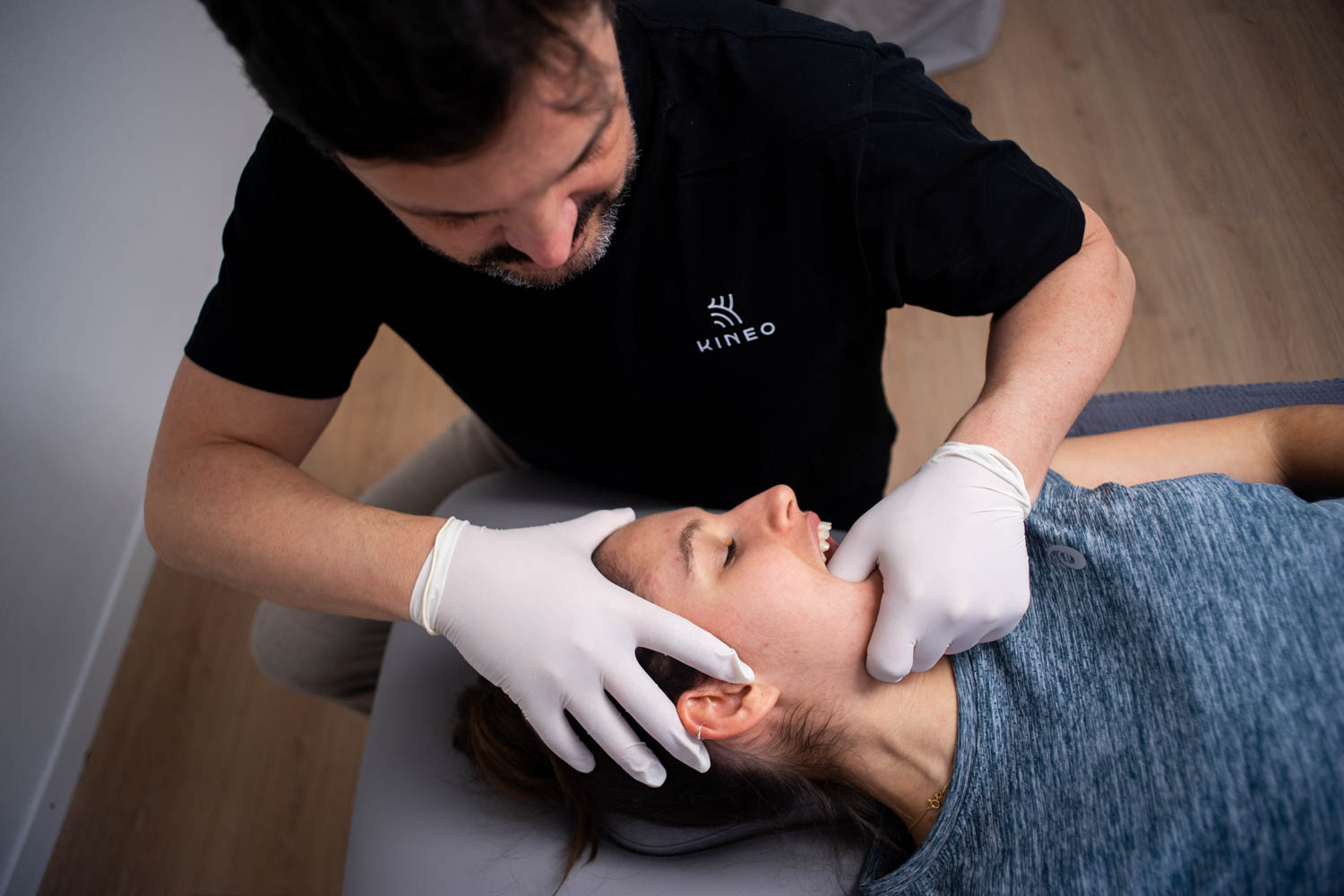
Our approach is based on your complaints and takes place in several phases:
1. Acute phase: reduce pain
- Manual therapy to relax the muscles
- Dry needling for stubborn tension
- Heat therapy to promote blood flow
- Gentle mobilisation of the jaw joint
2. Build-up phase: improve function
- Targeted exercises for the jaw and posture
- Improving coordination in the jaw joint
- Posture training for everyday life
- Specialised techniques such as CRAFTA
3. Prevention: free of complaints in the long term
- Individual home programme
- Strategies for stress regulation
- Cooperation with dentists (e.g. for bruxism or splints)
Our physiotherapy methods for CMD
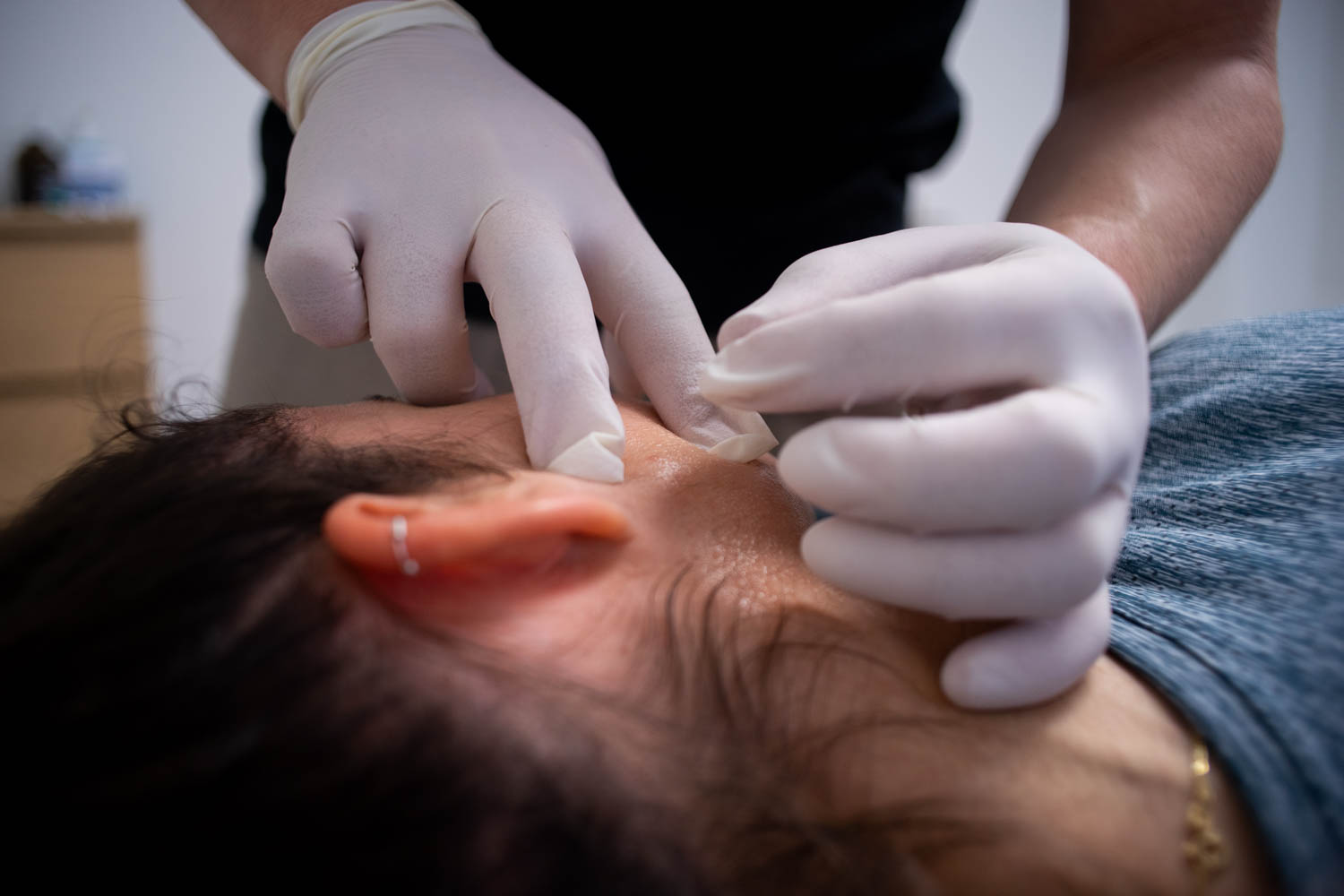
At KINEO, we combine modern and evidence-based approaches:
- Manual therapy of the jaw joint
- CRAFTA therapy (specialised in jaw complaints)
- Dry needling to release trigger points
- Stretching and mobilisation exercises
- Individual training programmes
If you suffer from jaw, head or neck pain, targeted physiotherapy can make all the difference. Book your appointment at KINEO Physiotherapie now and start your path to more relaxation, less pain and a better quality of life.
What matters to us: we don’t just treat your jaw joint, but the whole person.
When should you seek professional help?
- Persistent or increasing jaw pain
- Restrictions when opening your mouth
- Regular headaches or migraines
- Clicking or locking in the jaw joint
- Complaints despite doing exercises yourself
FAQ: frequently asked questions about CMD
What exactly is CMD?
CMD is a dysfunction of the jaw joint and the surrounding muscles that can cause pain and restricted movement.
Can stress trigger CMD?
Yes, stress is one of the most common factors, as it can lead to increased muscle tension and teeth clenching.
Does physiotherapy really help with CMD?
Yes, studies show that manual therapy, exercises and education can significantly improve the complaints.
Are jaw clicking and CMD the same thing?
Not necessarily. Clicking can be a symptom of CMD, but doesn’t necessarily cause complaints.
How long does CMD treatment take?
That varies from person to person. However, many patients notice first improvements after just a few sessions.